How Long It Takes
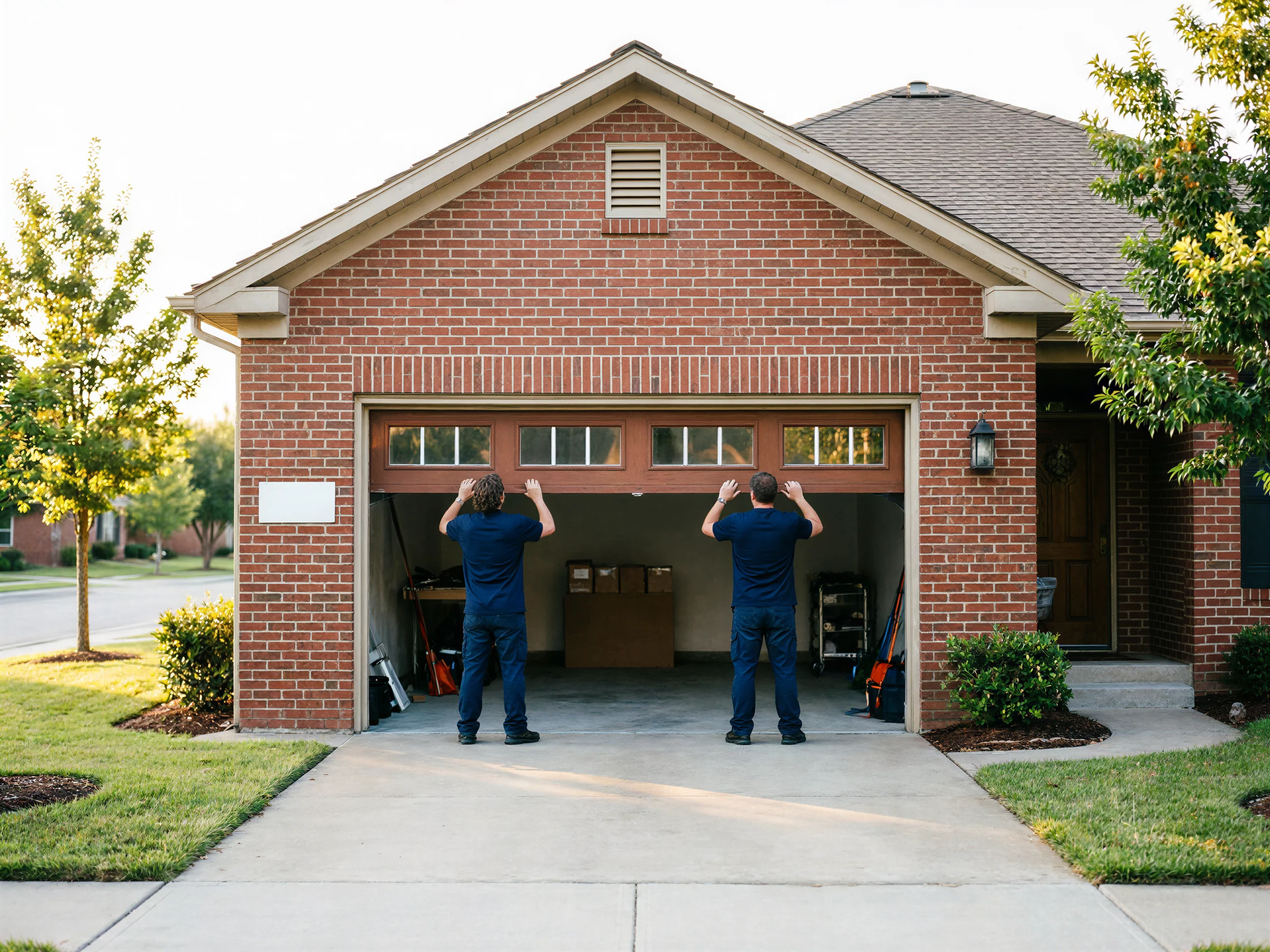
Most of Seabrook's housing went up around 1991, which puts the garage doors squarely in the steel sectional era - raised-panel faces on 16-by-7 double openings or 8-by-7 singles, built to the dimensions that became standard once builders stopped framing for the older wood swing-out doors.
Known panel section sizes
A single dented or cracked panel on one of these doors is usually a known quantity: the section sizes and hinge spacing are common enough that we're not guessing blind when we quote the job.
Same-visit panel swaps
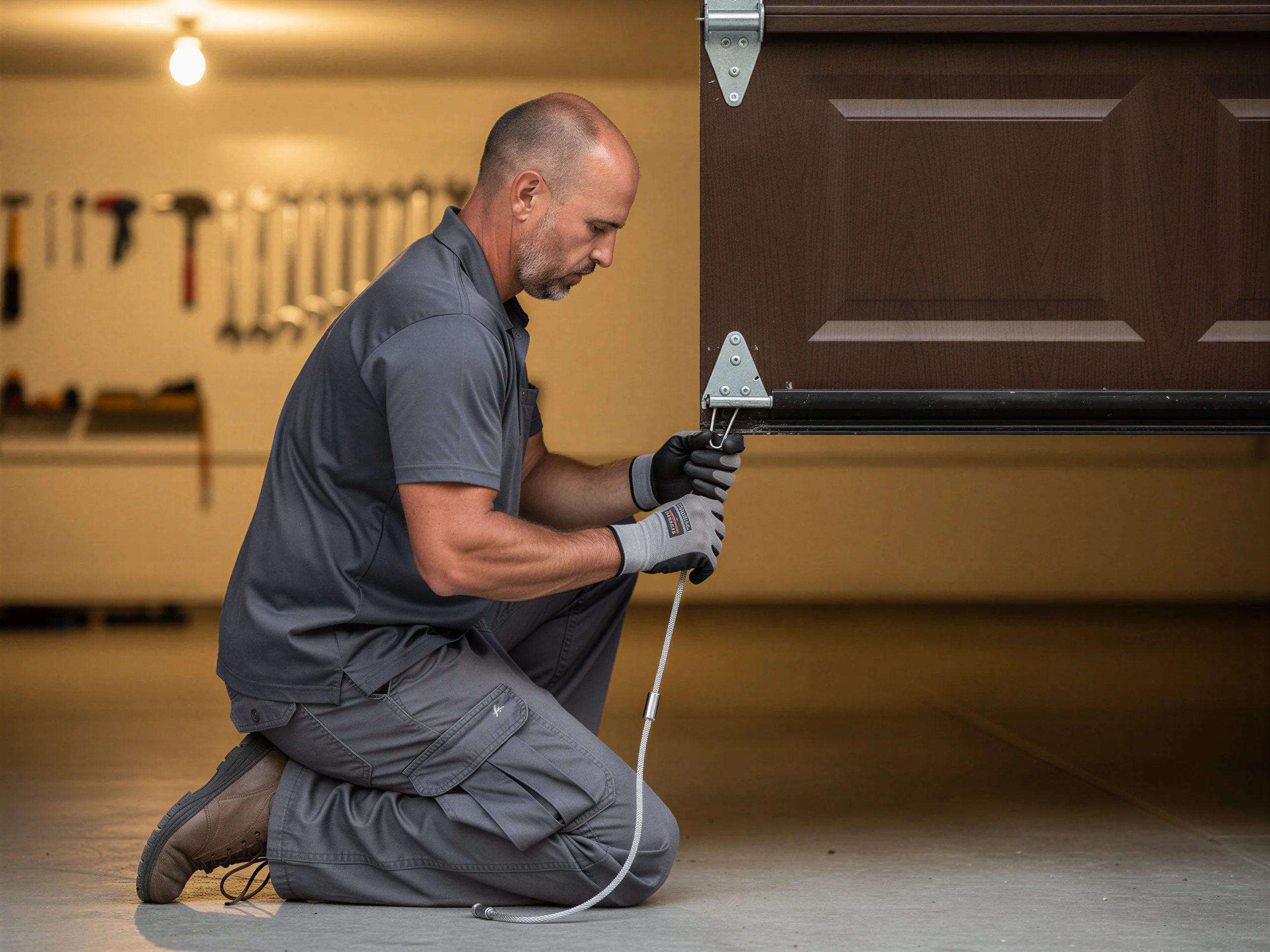
That said, how long the repair takes depends on whether the exact panel is still made by the original manufacturer. If it is, we can often swap the damaged section and have the door running true the same visit, coming out from League City.
Close color match ordering
If the model's been discontinued - more common the closer a door gets to 30-plus years old - we order a close color and panel-style match, which adds lead time waiting on the supplier rather than on us. We'll tell you straight which situation you're in before any work starts, not after.
What Is on the Truck
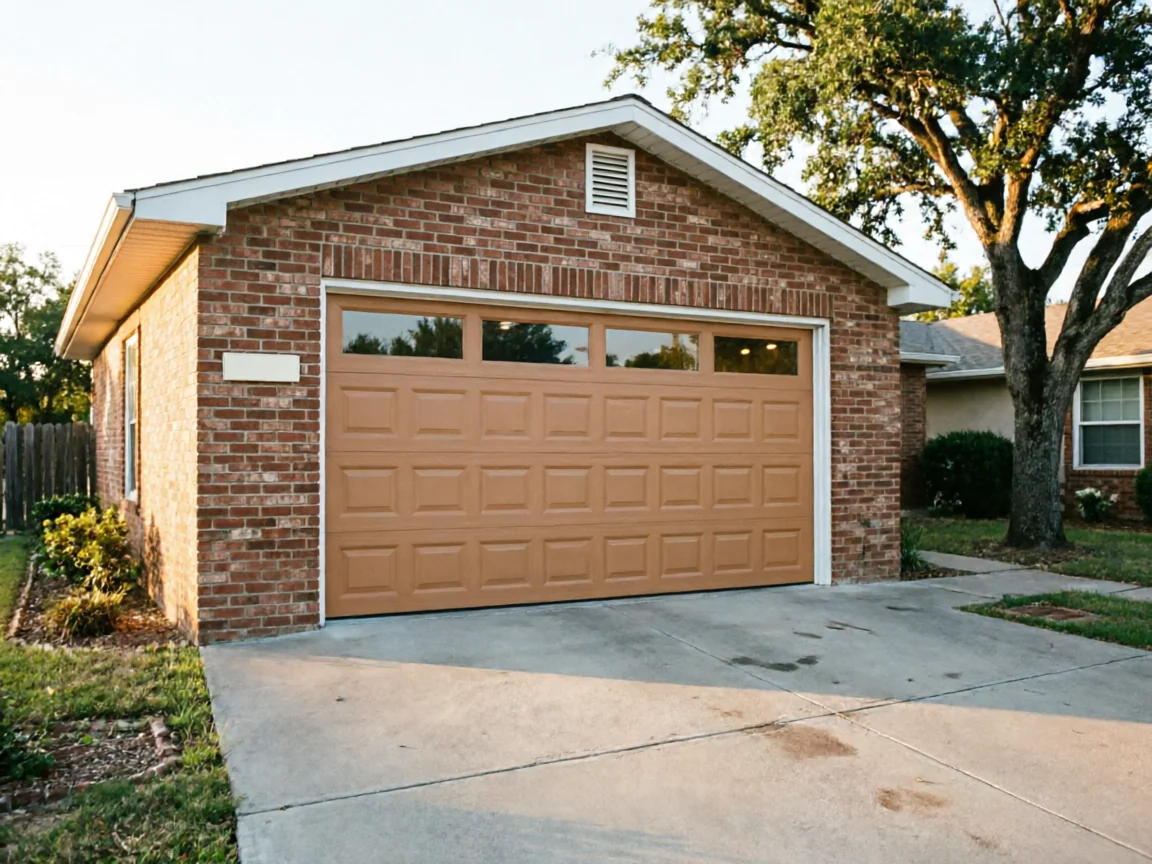
For a standard raised-panel steel section sized to fit a 16-by-7 or 8-by-7 opening, we stock common panel runs, end caps, hinges, and the roller/track hardware a section swap disturbs. Given the climate band here - mild with occasional freeze - insulation isn't a structural requirement the way it is further north, but a lot of Seabrook doors from the early '90s were built as single-layer steel, so when a panel's replaced, you've got the option to step up to an insulated section instead of matching the old uninsulated one exactly.
What's not usually on the truck is an exact factory-matched color for a 30-year-old door run, or a full matching panel set from a manufacturer that's since changed its line. For those jobs we work from a sample or a close match ordered in, and we say so up front rather than installing something that'll look patched.
The DIY Question
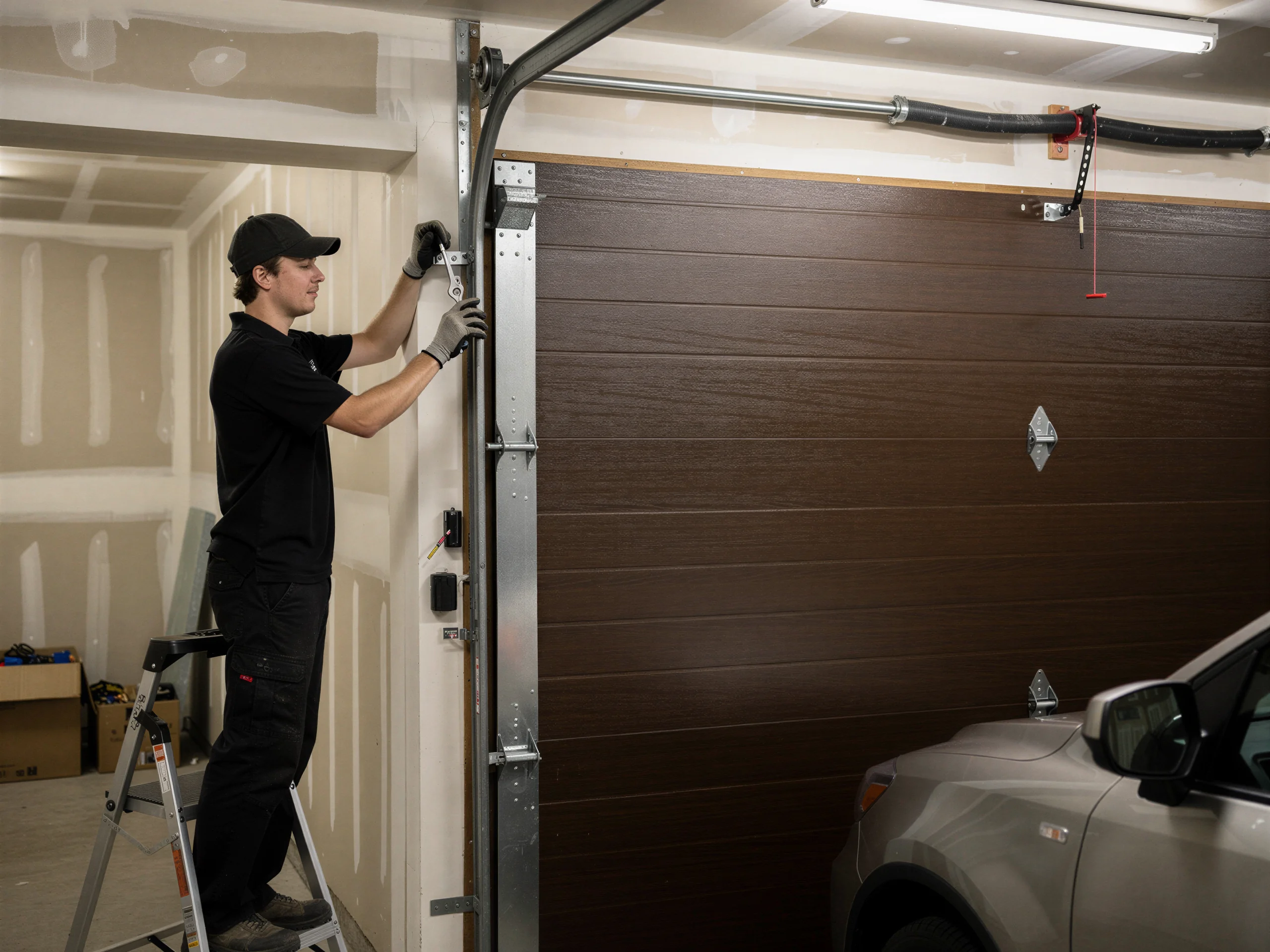
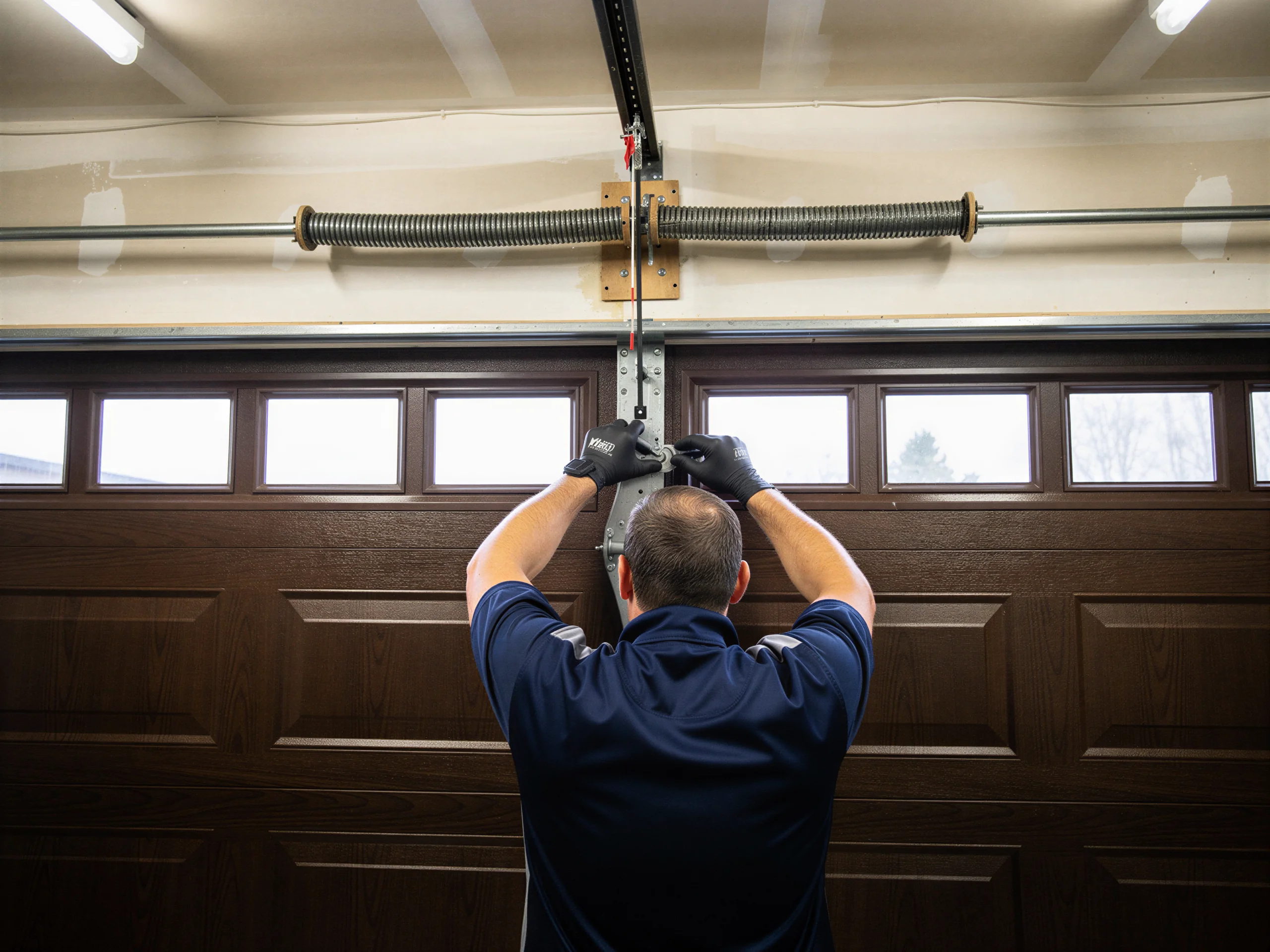
A single bent or dented panel on a sectional door looks like a bolt-off, bolt-on job, and on paper it sometimes is. The catch with doors from this era is that the panel section is tied into the track alignment and, on double doors, into the torsion spring load across the full width.
Unsupported section removal risks
Pull one section loose without supporting the rest of the door and you can rack the track or drop the remaining panels out of square - turning a one-panel repair into a full-door problem.
Cosmetic damage can wait
If the damage is cosmetic and the door still runs smooth and seats evenly, it's reasonable to live with it and fix it on your schedule rather than as an emergency.
Binding means shifted tension
If the door drags, binds, or won't seal flush at the bottom after an impact, that's a sign the track or spring tension has already shifted, and that's not a job to start without the right clamps and bar.
The Symptom
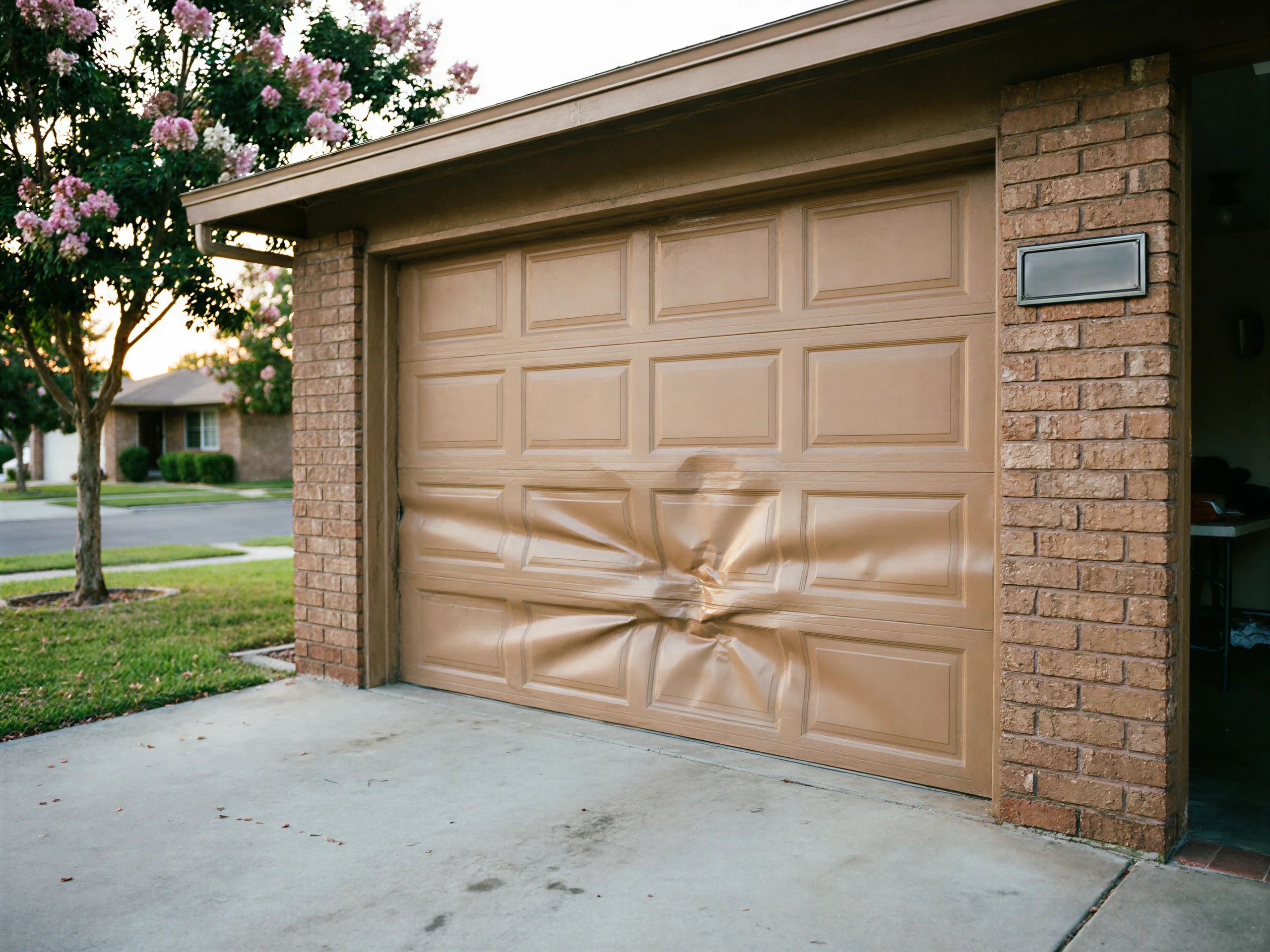
The usual call is a car bumper, a trailer hitch, or a lawn tool punching a dent or crack into the bottom one or two sections - the panels that take the hits. Sometimes it's hail or a branch instead. Either way, on a door built to late-'80s or early-'90s steel gauge, that section is thinner than what's sold today, so a hard impact dents rather than just scuffs.
With median household income in this part of our service area running around $109,489, we see a fair number of owners choose to upgrade the whole door's insulation and gauge when a panel fails rather than patch a single section - not because the patch doesn't work, but because it's the kind of decision that's easier to make once than twice. Either path is reasonable; we quote both and let you pick.
Talk to a local pro
Garage door service in League City?
Same-day service with honest, upfront quotes.