How Long It Takes
Seabrook is a small town by household count - around 5,545 houses total, which is a fraction of the roughly 63,485 households spread across the wider service area we cover out of League City.
Lower call volume here
That size matters for how a repair day runs. A town this compact doesn't generate the volume of calls a bigger suburb does, so we're not routing through Seabrook constantly the way we might through a larger area. We travel the 10 miles from League City to get to you, and that drive is built into how we stage the day rather than something that catches us off guard.
Factory torsion setups
Most of the housing here went up around 1991, which is a touch newer than the 1956-2014 range and 1983 median across the broader service footprint. That later build date usually means steel sectional doors and factory torsion setups rather than the older wood-panel, extension-spring jobs you find in the earliest-built pockets of the service area.
Stuck springs still take time
It doesn't mean every job is quick - a stuck torsion spring on a double door still takes the time it takes - but it does mean we're less often hunting down obsolete hardware here than in some of the older sections nearby.
What Is on the Truck
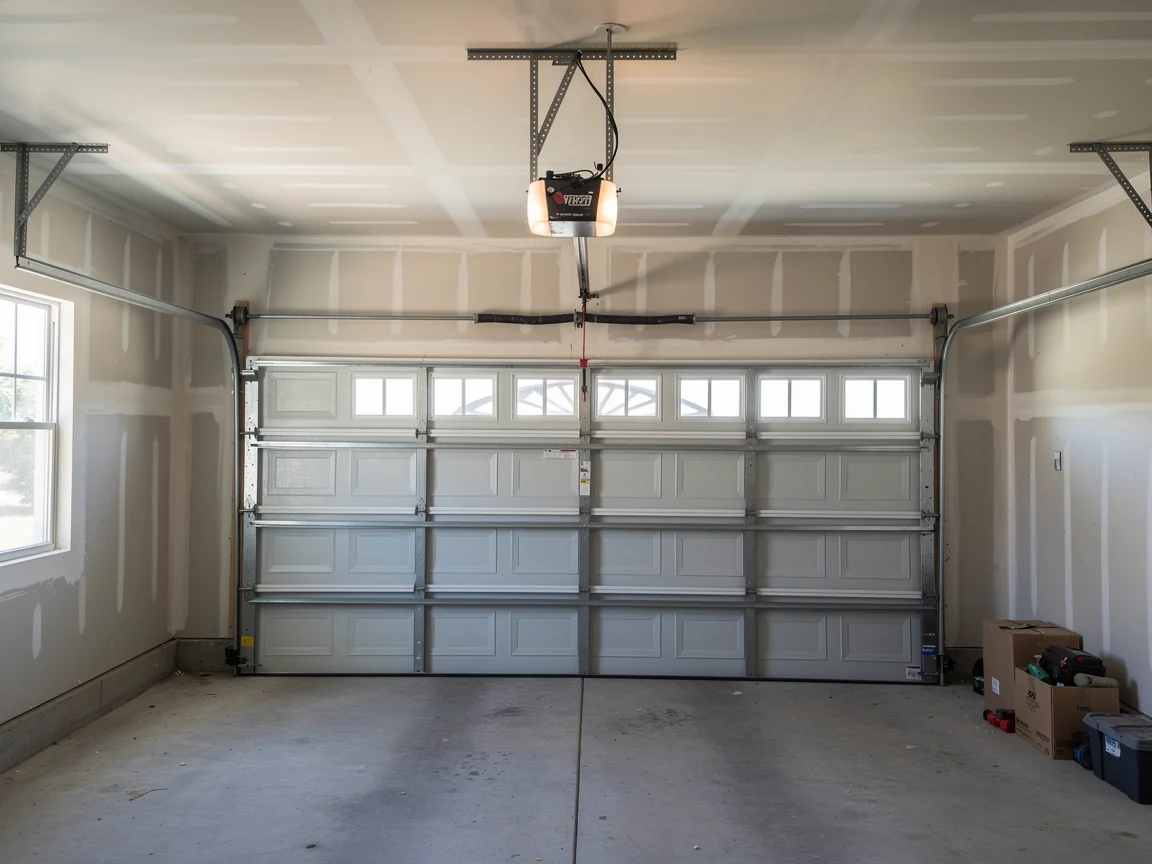
Because Seabrook's housing mostly dates to the early 1990s rather than the 1960s or 70s, the truck carries what that era of door actually needs: steel panel sections, torsion springs sized for factory-standard sectional doors, and standard-width extension cables rather than the odd hardware older one-piece doors sometimes need.
Humidity-tolerant weatherstrip
The climate here is mild with occasional freeze risk, which doesn't demand the insulated, cold-climate seal kits some northern jobs call for, but it does mean we stock weatherstrip and bottom seals that hold up to humidity swings rather than hard freeze cycling.
Older torsion parts unstocked
One honest limitation: if a job calls for a part specific to an older torsion system - the kind you'd find on houses built well before Seabrook's own median year - we may not have it on the truck that day.
Order instead of forcing fits
Those parts aren't common stock because they're not common calls out here, and we'd rather order the right part than force a mismatched one onto your door. For the sectional, spring, and opener work that actually matches this town's housing stock, the truck is set up well.
The DIY Question
A door built around 1991 is usually a factory sectional with a torsion spring under real tension, not a lightweight panel a homeowner can safely wrestle into place.
Torsion springs stay pro-only
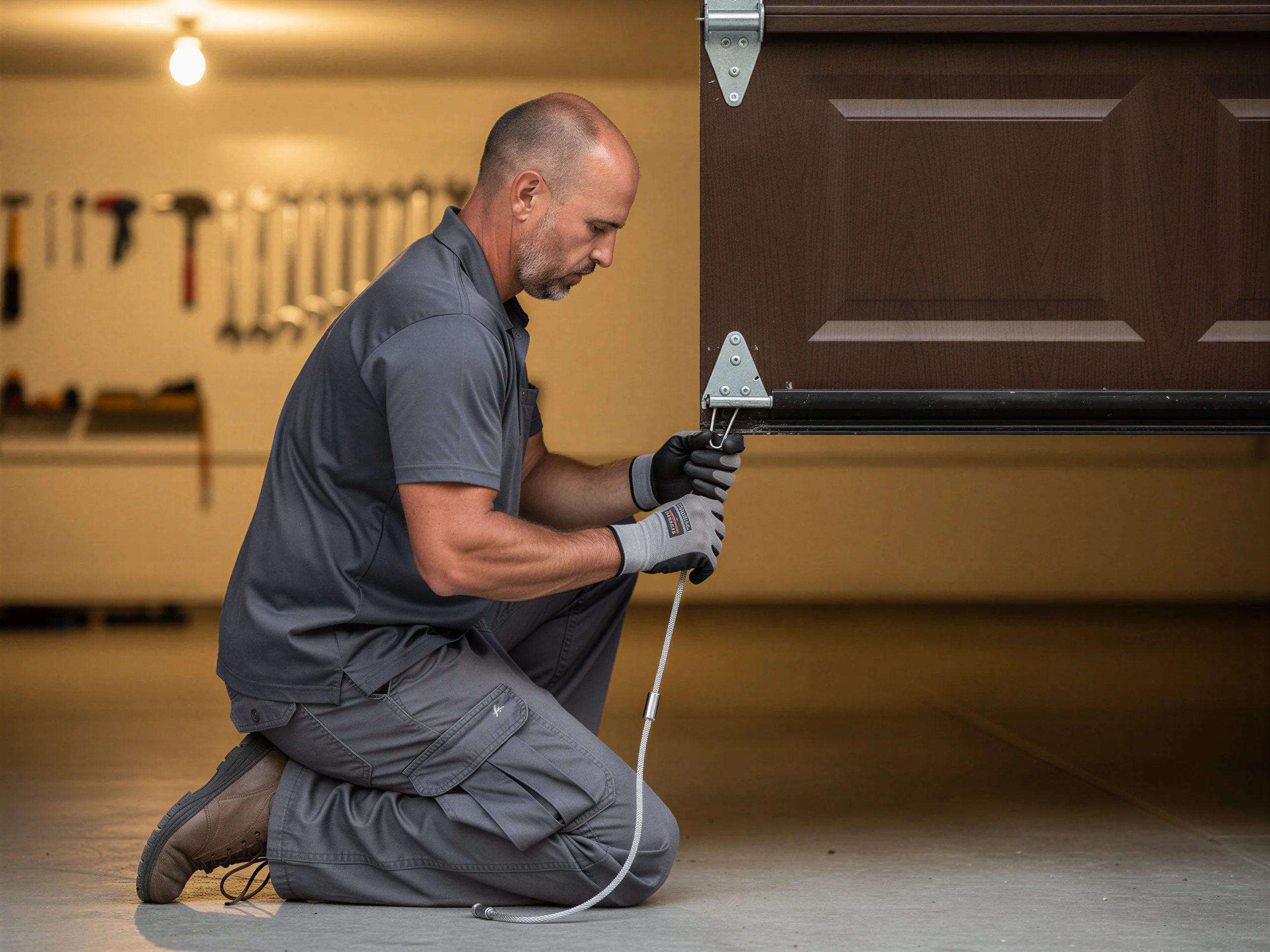
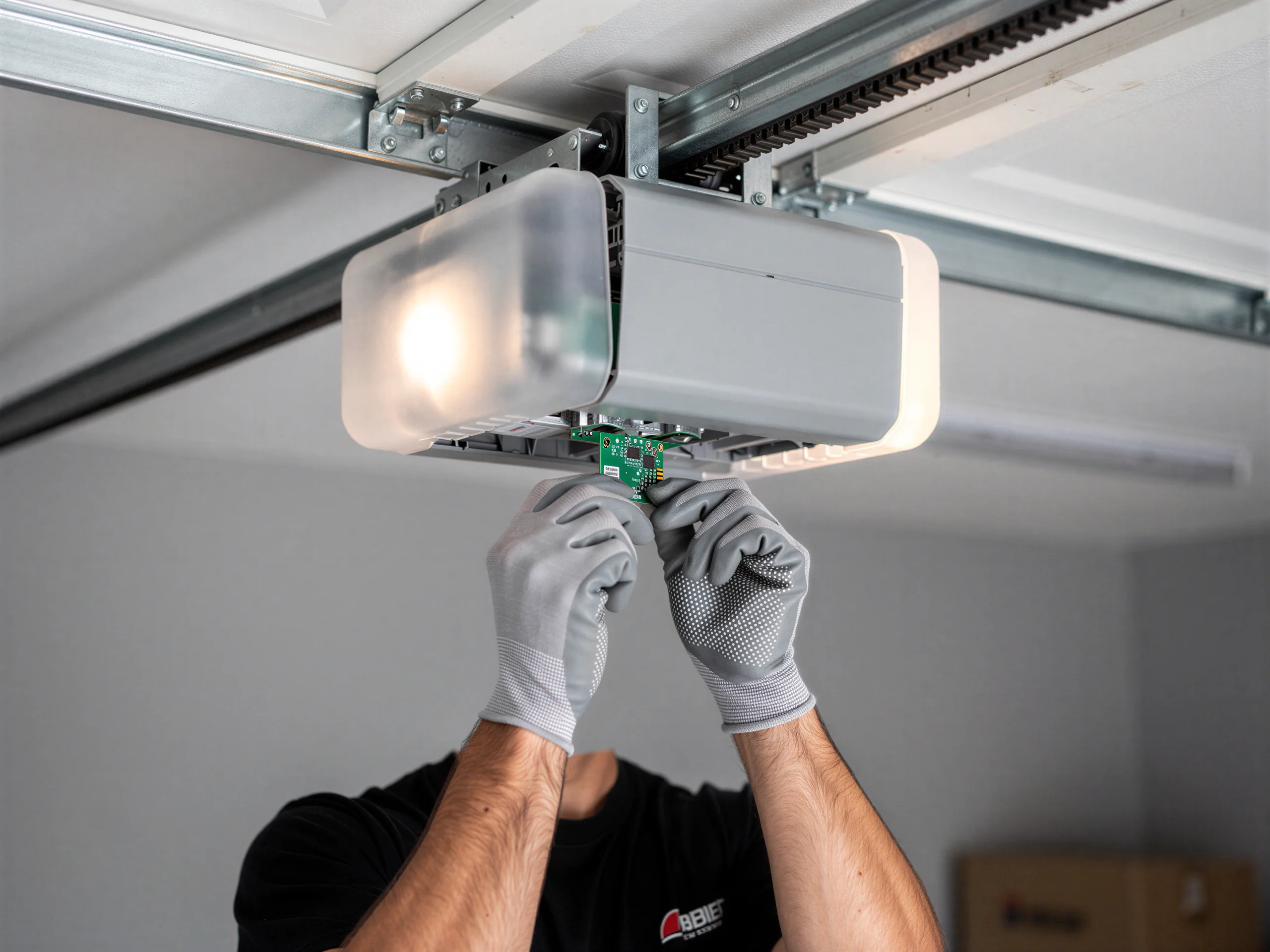
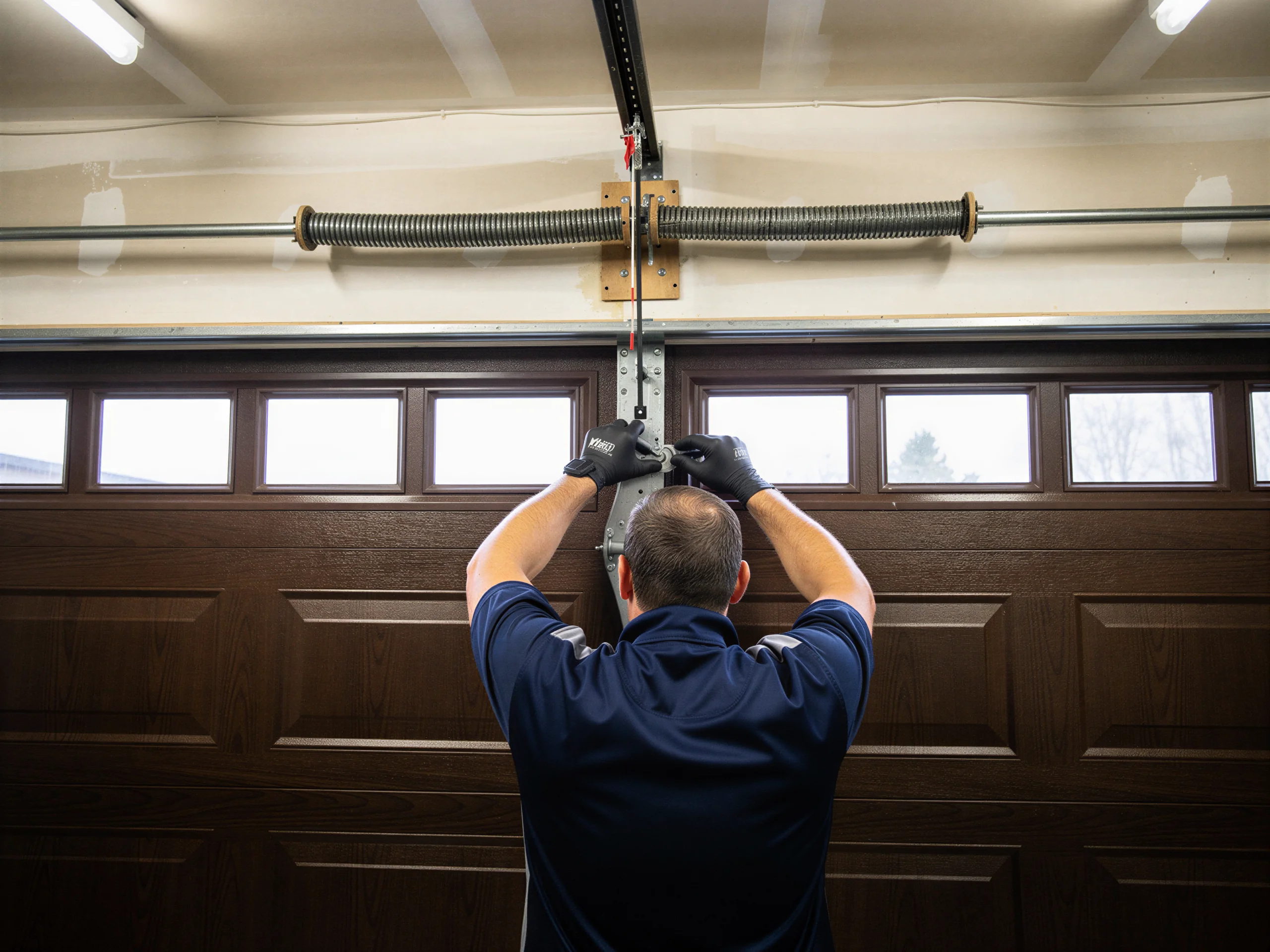
If your Seabrook door won't open, the spring is the first thing to rule out, and torsion springs are not a safe DIY repair - the tension stored in one can break a bone or worse if it lets go while you're working on it.
Straightedge for track checks
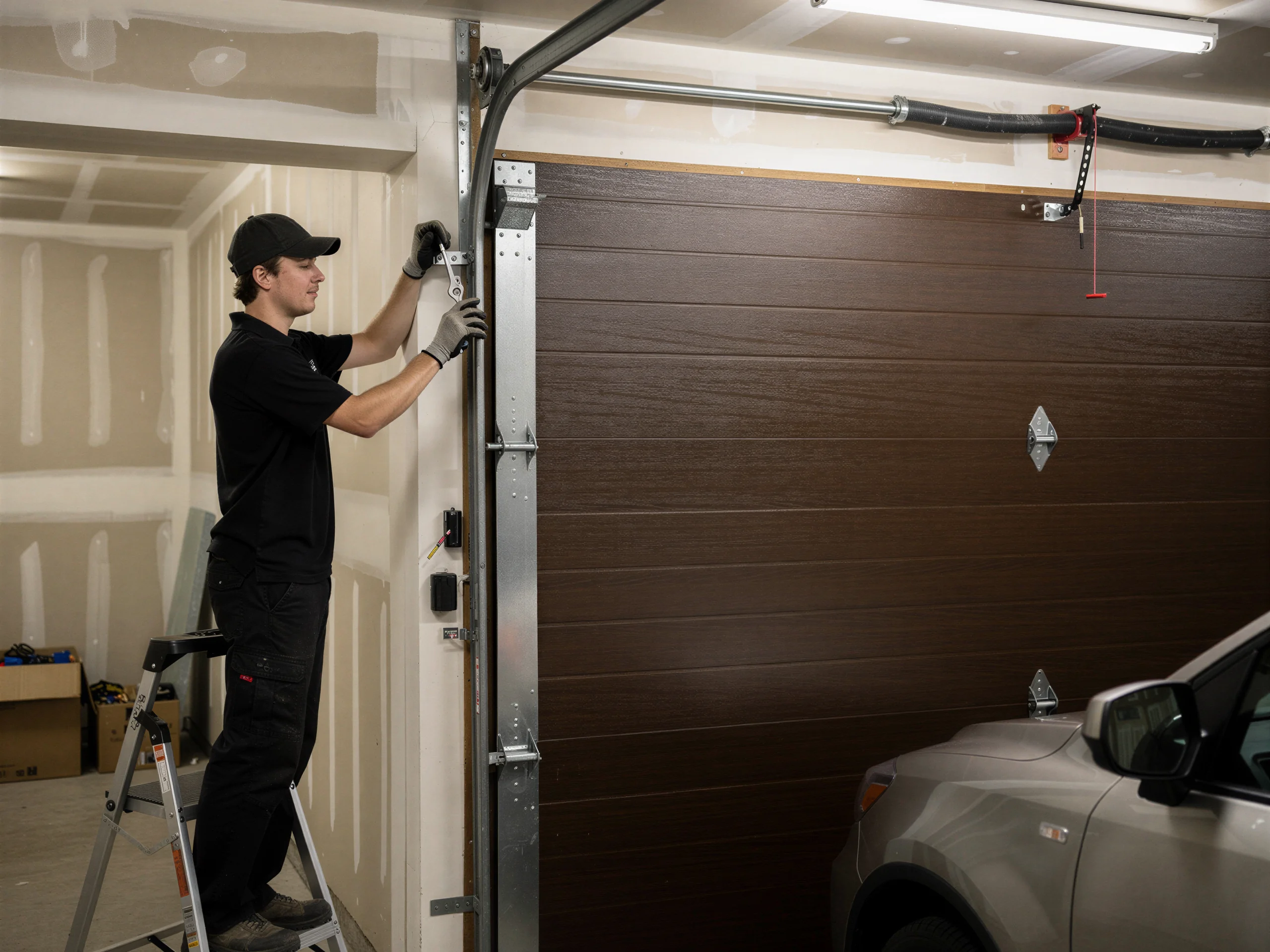
Cables, rollers, and track alignment are a little more forgiving to inspect, but even there, a bent track on a standard steel sectional door usually needs a straightedge and the right pry bar, not guesswork. Where DIY makes sense: basic maintenance.
Owner-doable maintenance tasks
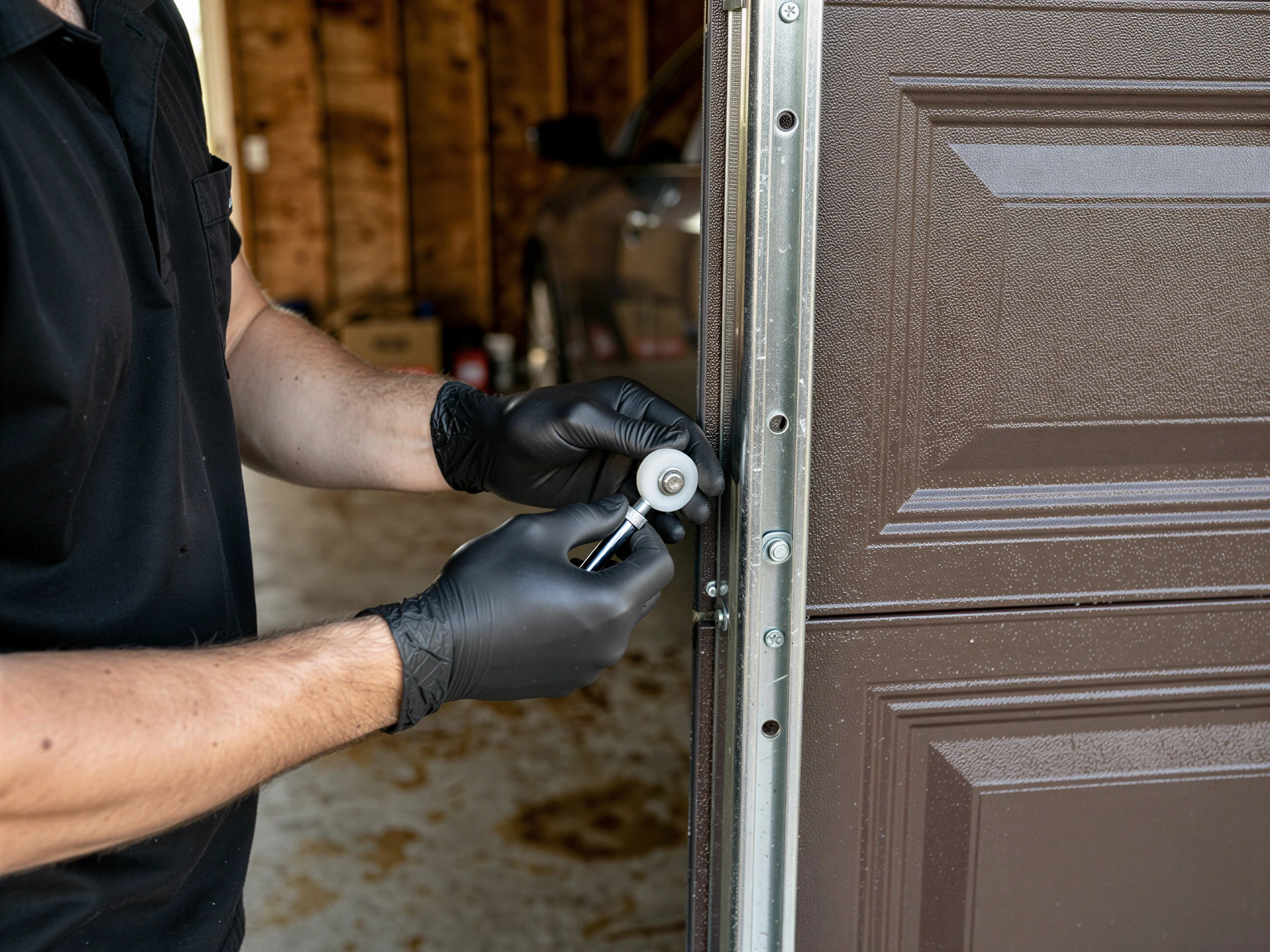
Lubricating rollers and hinges, checking the weatherstrip for gaps given the area's mild but not freeze-free climate, and tightening loose hardware on the track brackets are all reasonable jobs for an owner with a ladder and some patience. Where it doesn't: anything involving the spring, the cable under tension, or the opener's electrical side. Those calls are worth the 10-mile trip from League City rather than a trip to urgent care.
The Symptom
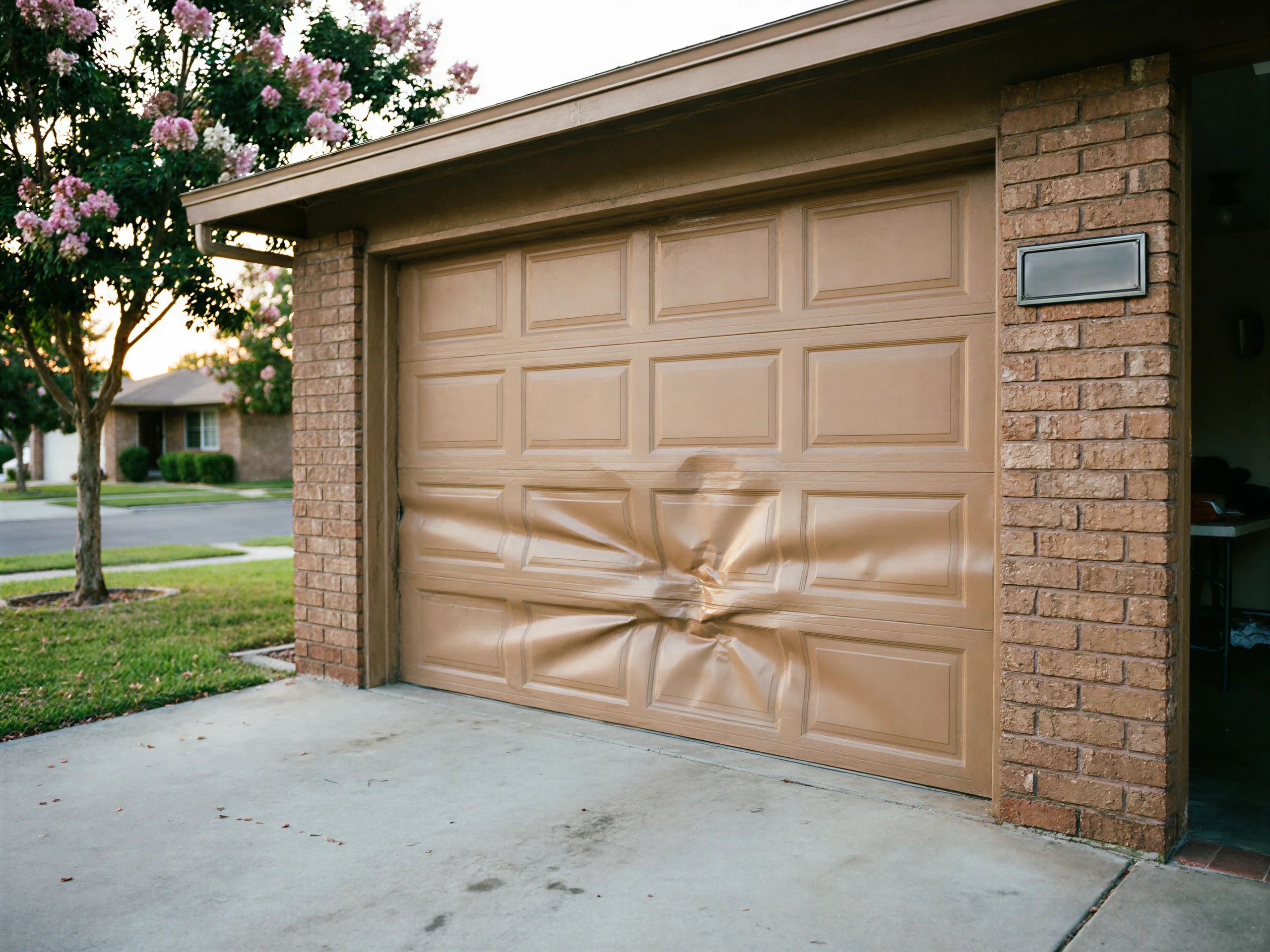
The most common call we get from houses in this part of the service area is a door that's suddenly heavy to lift by hand, or an opener that strains and reverses partway up. On a sectional door from the early 1990s build era, that's almost always a torsion spring that's lost tension or snapped outright - the spring does the lifting work, and the opener was never built to do it alone for long. A close second is a door that runs loud and rough on the track, which on this generation of hardware is usually worn rollers rather than a bent rail, since steel sectional doors of this vintage hold alignment better than the older wood-panel doors found elsewhere in the service area. If your door is sticking only at the very bottom or very top of its travel, that's more often a track or sensor issue than a spring problem, and it's worth mentioning which one you're seeing when you call - it changes what we load on the truck before the 10-mile drive out.
Talk to a local pro
Garage door service in League City?
Same-day service with honest, upfront quotes.