 What That Noise Your Garage Door Is Making Actually Means
Grinding, popping, or squealing door in League City?
What a Cold Snap Does to a League City Garage Door Spring
League City homes built mostly in the 1980s and 90s see torsion springs fail on the rare hard freeze. Here's what's happening and when to call.
Local detail
What the Weather Here Does to It
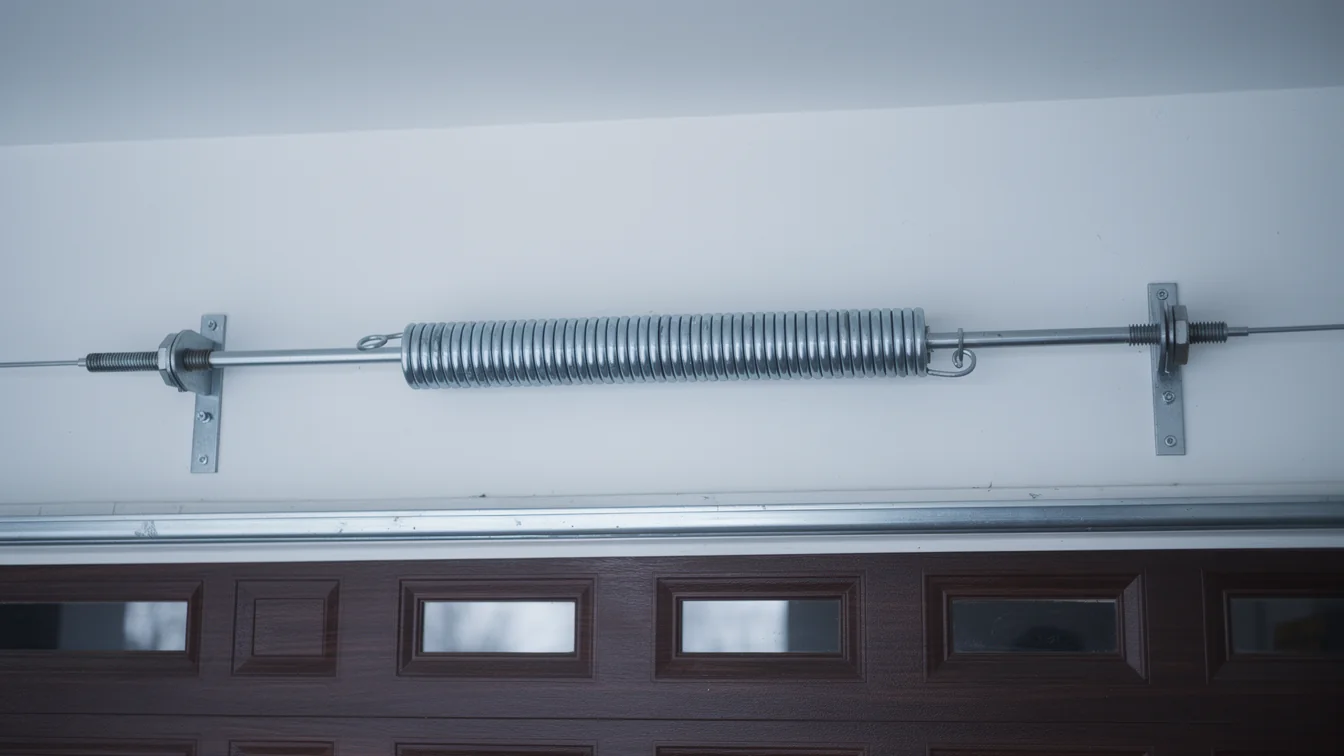
League City doesn't get real winters. The climate here is mild with only occasional freezes, which is exactly why a hard cold snap catches people off guard. A torsion spring is a coil of tempered steel wound under heavy tension, and steel gets brittle as it cools. In a place that freezes hard every year, springs get replaced on a schedule because everyone expects the stress. Here, a spring that's been doing fine for thirty mild winters can be right at the edge of failure and nobody knows it until the one night the temperature actually drops. Most of the housing stock in the service area went up between 1956 and 2014, with the median home built around 1983, and a lot of those original springs are still on the door. Add one overnight freeze to forty-year-old galvanized steel that's never had to flex in real cold before, and the coil doesn't bend, it snaps. You'll usually hear it as a loud bang from the garage, often early morning when the temperature bottomed out overnight.
The area
When Waiting Is Fine
Not every cold-weather spring issue is an emergency. If the door still opens and closes on the opener but sounds a little different, or if you notice the spring looks stretched or has a visible gap in the coil but hasn't let go yet, you can usually wait a day or two to get it looked at, as long as you stop using the opener and open the door by hand if you need it. The risk with waiting is that a spring under tension that's starting to go can fail suddenly, and a door with a broken spring is heavy enough to hurt someone or damage the opener trying to lift it. If the door is already down and won't move, or the spring has visibly separated, that's not a wait-and-see situation. Here's the honest part: if your door is original to a house built in the early 80s or before, we'd rather replace the spring system properly than patch one side and leave the other to fail next winter.
What we find
The Problem
The actual failure point is almost always the same: a torsion spring that's reached the end of its cycle life gets pushed over the edge by cold. Steel contracts slightly as it cools, which adds a small amount of extra stress to a coil that's already wound tight. On a spring with plenty of life left, that extra stress doesn't matter. On a spring that's already fatigued from decades of daily openings, it's enough to start a crack at a weak point in the coil, usually near one of the end mounts. Because so many houses across the service area were built in the same stretch - the 1980s and 90s boom years across the eighteen communities we work in, from areas near Dickinson and Kemah out toward Santa Fe - a lot of these original spring systems are aging out at close to the same time. That's why you'll hear about a cluster of spring calls after the same cold night rather than one or two isolated jobs. It's not bad luck, it's the same part reaching the same age under the same weather at once.
How we work
The Cost of This Job
What a spring job costs depends on whether you're dealing with one torsion spring or a matched pair, whether the drums and cables need to come off with it, and whether the door is heavy enough - a two-car insulated door, say - to need a higher-cycle spring than what was originally installed. Houses built in the early 1980s often have single-spring setups that newer code and manufacturer specs would no longer recommend for a door that size, so part of the job can be upgrading the system rather than matching what's there. With a median household income of $94,643 in the service area, a lot of homeowners choose to replace the full spring system rather than patch half of it, since a mismatched pair on an aging door usually just means a second call in a year or two. We won't push a replacement your door doesn't need, but we also won't quote a single spring on a double door built to run two.
Questions
Common questions
Why did my spring break on a cold night and not during the summer?
Steel contracts slightly as it cools, which adds a small amount of extra tension to a torsion spring that's already wound tight. On a spring near the end of its life, that extra stress is often enough to start a crack. League City doesn't freeze often, so springs here rarely get tested by real cold, which means the failure shows up suddenly instead of gradually.
Is it safe to open my garage door by hand if the spring broke?
You can, carefully, but the door will be heavy since the spring isn't there to counterbalance it anymore. Don't try to run it on the opener in this state. If you need the car out, lift it manually with both hands and keep clear of the track, then leave it until the spring gets replaced.
My house was built in the early 80s. Should I replace both springs?
If your door runs on a matched pair and one has broken from age and cold, the other one is usually close behind, since they were wound and installed at the same time. Replacing both at once avoids a second service call within a year or two and keeps the door balanced on both sides.
Recommendation
You Might Also Like
More garage door guides for League City homeowners.
What That Noise Your Garage Door Is Making Actually Means
Grinding, popping, or squealing door in League City?
 Older Garage Doors in League City: What Pre-Insulation Construction Means for You
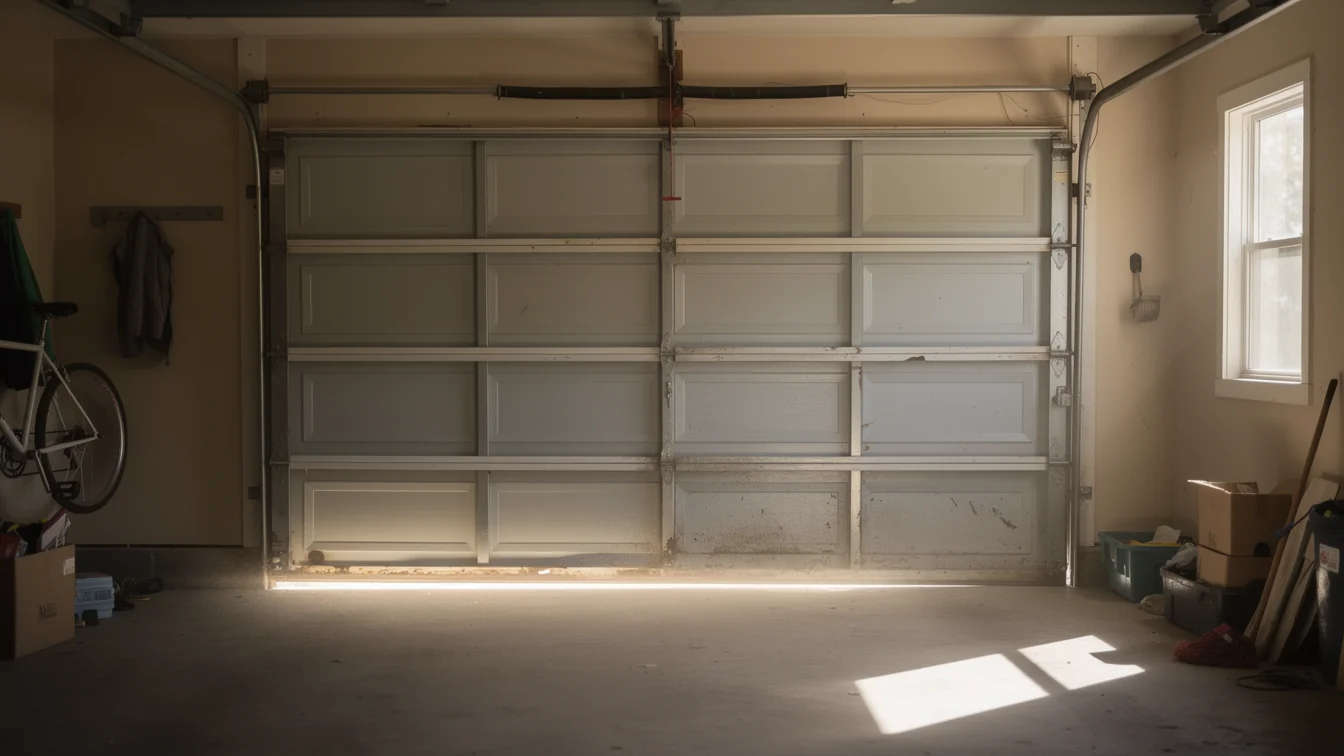
League City homes built 1956-2014 (median 1983) often have garage doors from before insulation codes existed.
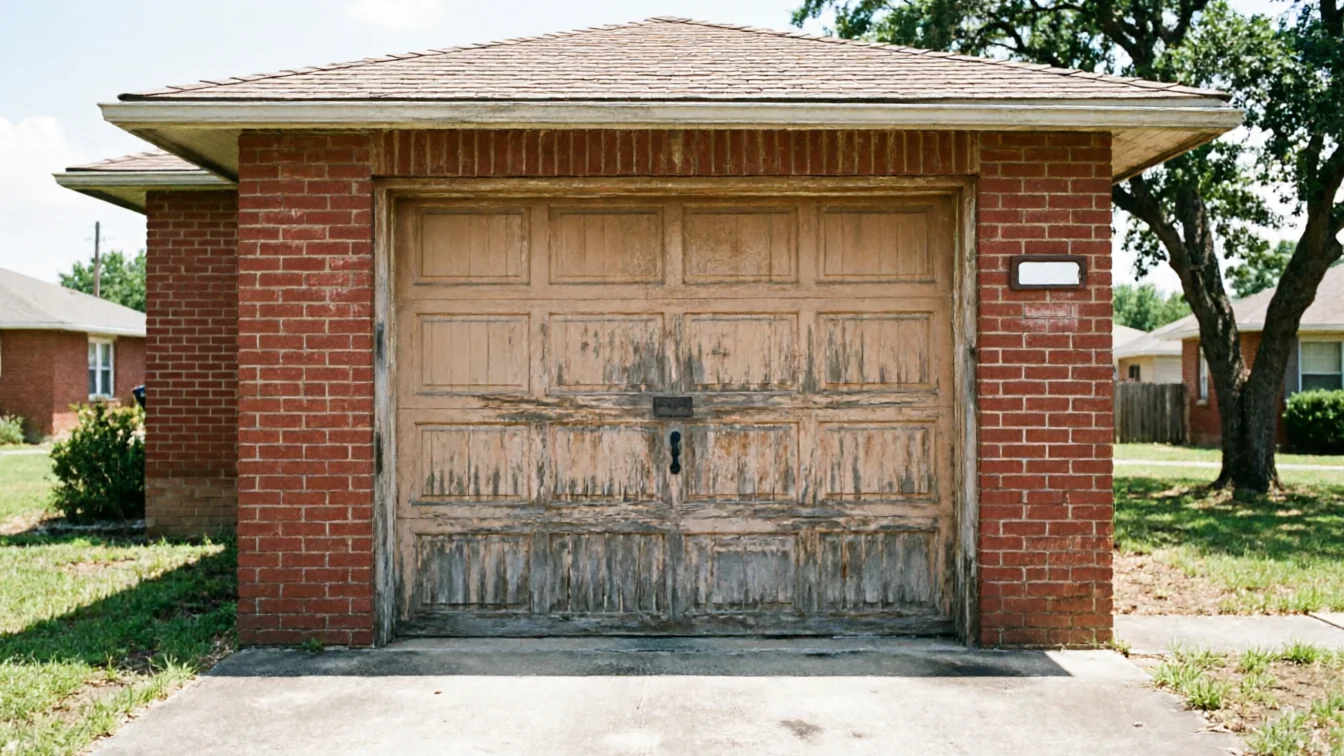 Worth Fixing or Time to Replace: League City's Older Garage Doors
Most League City garage doors date from 1956 to 2014, median 1983.
Ready when you are
Need a garage door sorted in League City?
League City Garage Door Pros repairs and installs garage doors, springs and openers in League City, TX and the surrounding area.