How Long It Takes
Most houses in Seabrook went up around 1991, which puts a lot of them on the chain-drive openers that were standard then - 1/3 horsepower units built for a lighter, uninsulated door.
Overworked motor after upgrade
If that door has since been swapped for a heavier insulated panel (a common upgrade along the Texas coast for noise and heat), the old motor is working harder than it was ever sized for. That mismatch is the actual fault we run into here, more than a dead motor on its own.
Rail conversion adds time
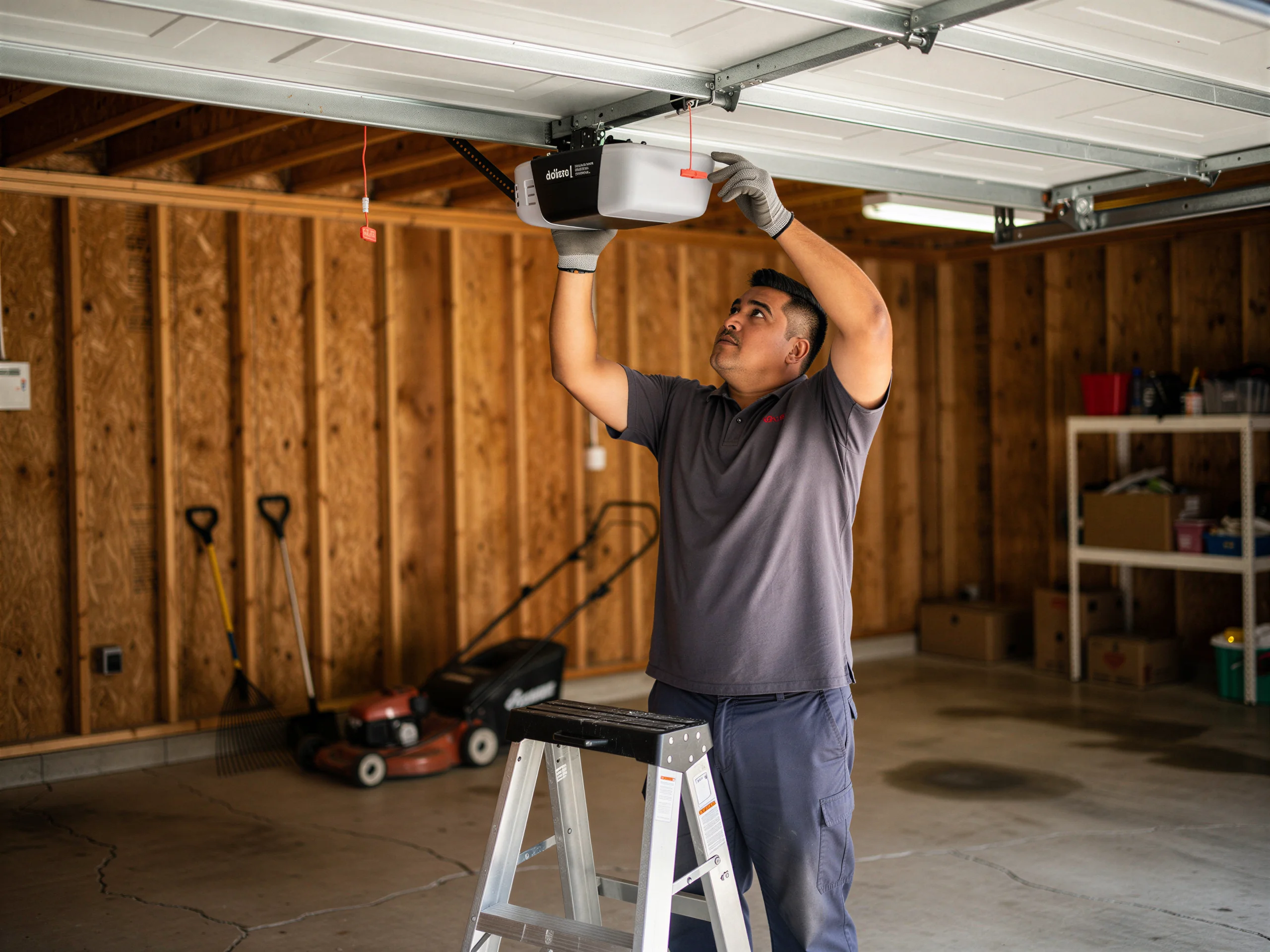
A straight swap, same rail position, same door weight class, usually runs under two hours once we're on site. Add a rail conversion, a heavier belt-drive unit, or new wiring for a wall console, and you're looking at closer to three.
Travel buffered into windows
We travel from League City, about 10 miles up the road, so we build that drive time into the window we give you rather than surprise you at the door. We won't quote an exact time before we've seen the door and the header clearance - a low or notched ceiling can add 20 minutes we didn't plan for.
What Is on the Truck
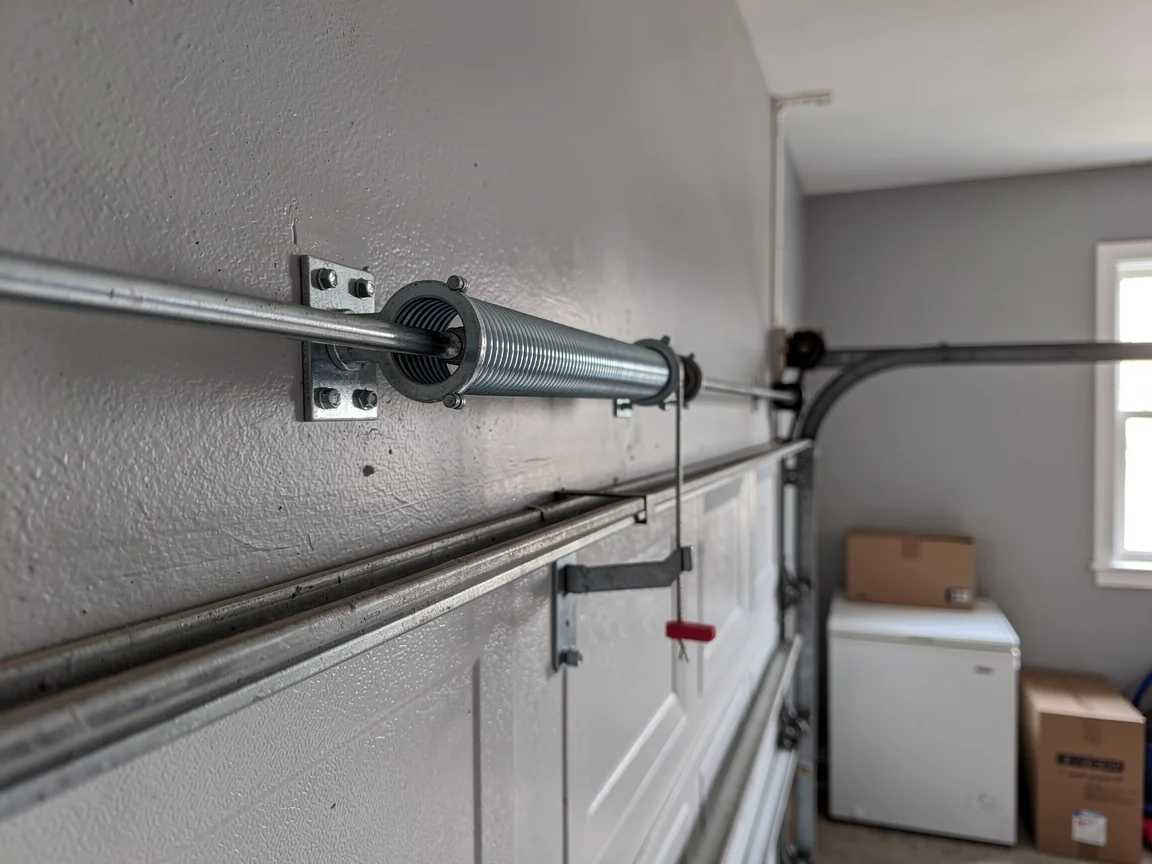
We stock belt-drive and chain-drive openers in the horsepower ranges that actually fit 1990s door weights, plus the rail extensions and curved-rail kits that older Seabrook garages sometimes need when the header sits lower than a modern build code allows. Given the mild, occasional-freeze climate here, we don't carry heavy-duty cold-weather gear motors - that's hardware built for places with real winter, and it would be the wrong part on this truck.
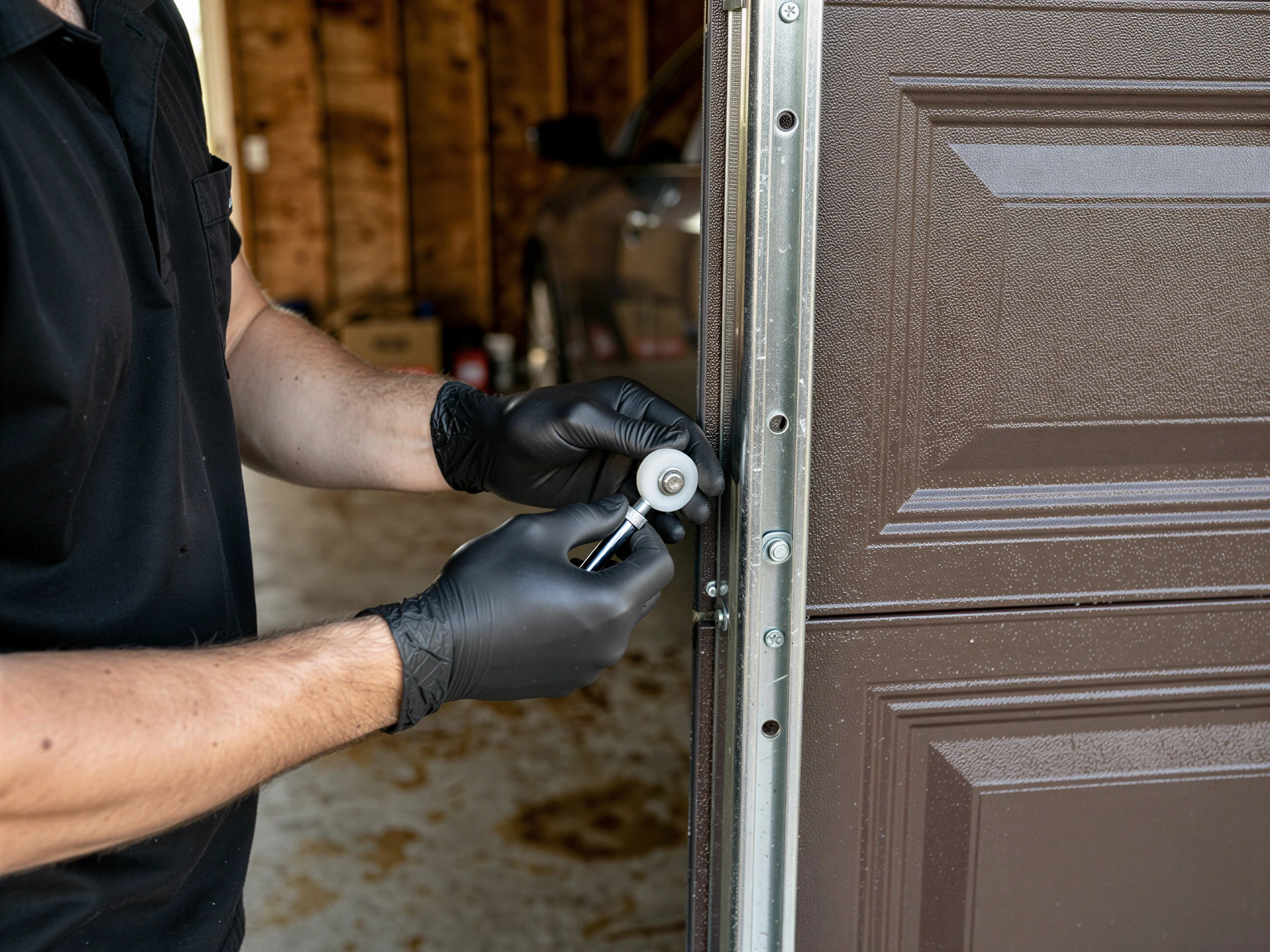
We also carry standard wall consoles, keypads, and the safety sensor brackets that get knocked loose or corroded over 30-plus years of coastal humidity. What we don't carry is every smart-home bridge on the market - if you want a specific app ecosystem, tell us before the job so we bring the right opener instead of installing twice.
The DIY Question
An opener kit from a box store will physically fit most Seabrook garages. The part people get wrong is matching horsepower and rail length to the actual door weight, especially on houses where the original door has been replaced but the opener hasn't.
Half-horsepower units
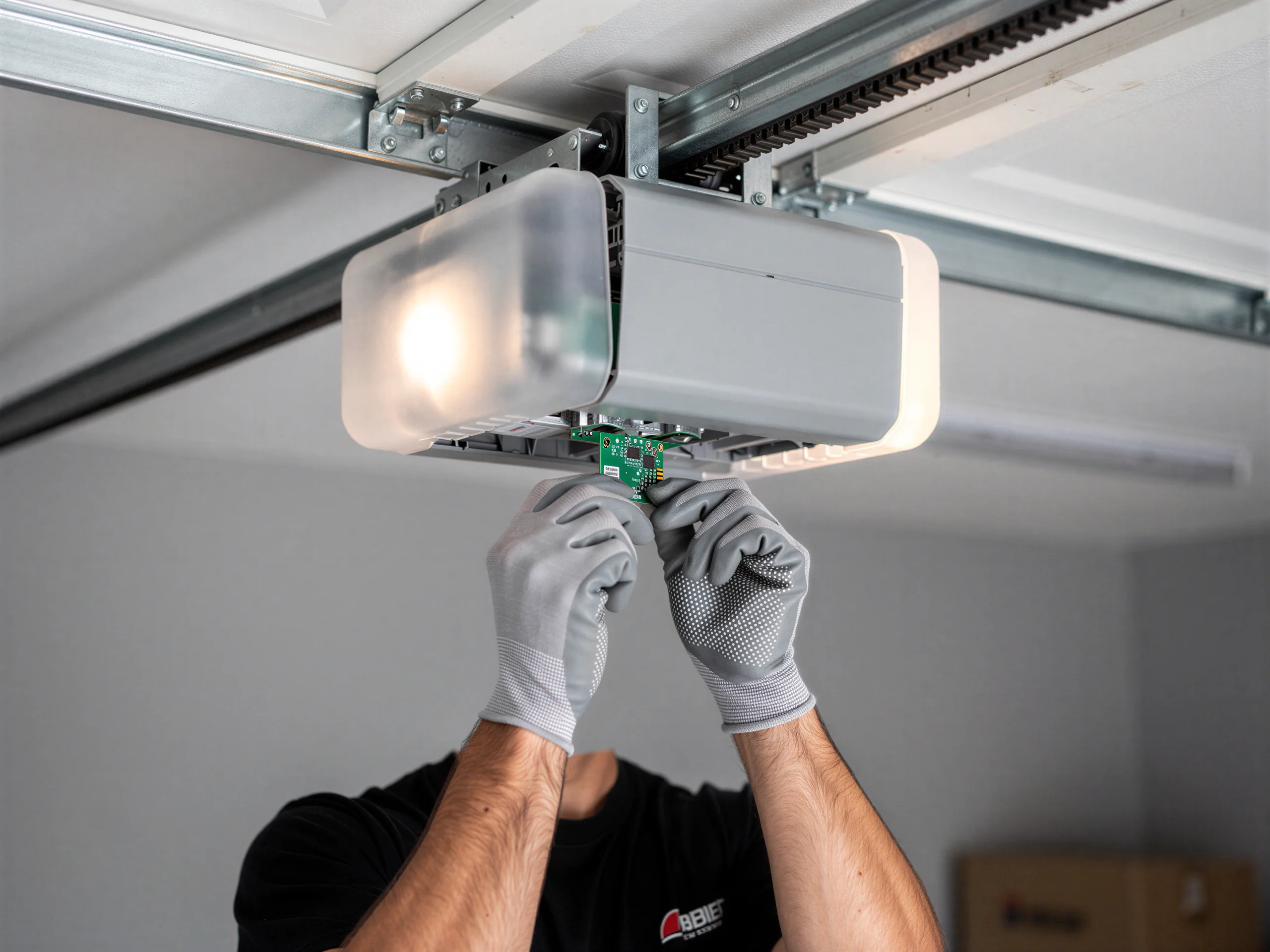
Put a 1/2 horsepower unit on a heavy insulated double door and it'll run for a while before the gears or the circuit board give out early. If you're handy and the door is light, stock, and the header has normal clearance, a kit install isn't unreasonable.
Travel-limit setting risks
Where it gets risky is the safety sensor alignment and the travel-limit setting - get those wrong and the door doesn't reverse when it should. That's the part we'd tell you not to skip, DIY or not.
The Symptom
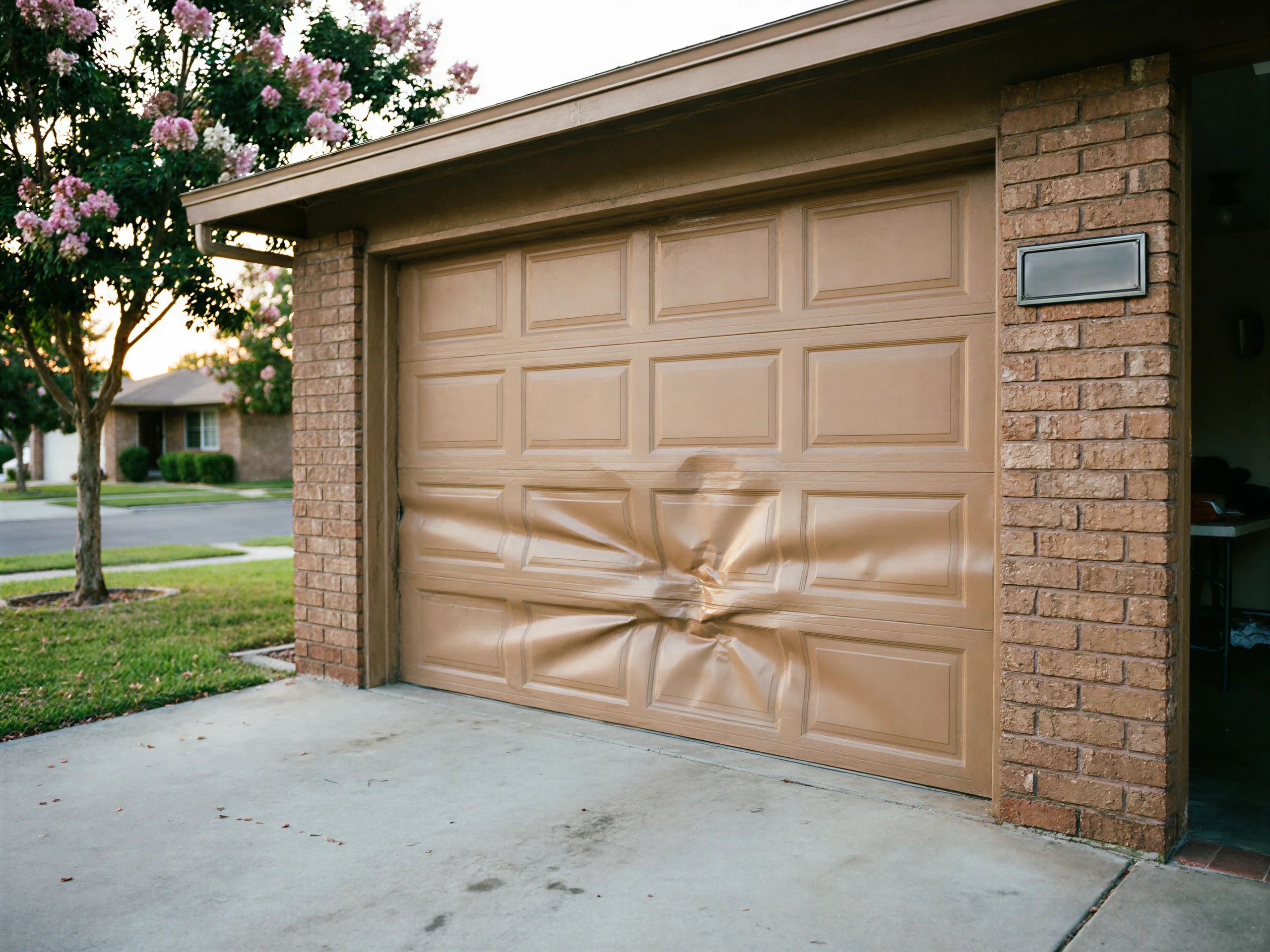
The call we get most from this area is an opener that runs the motor but the door barely moves, or moves then stalls partway up. On a 1990s build, that's almost always the motor losing the fight against a door it wasn't matched to - not a dead unit, just an undersized one finally showing it. A second common symptom is the opener humming and reversing immediately on close, which usually points to a sensor pushed out of alignment rather than the opener itself.
We check the door and spring balance before we touch the opener, because a failing spring puts the same strain on a new unit as an old one. Replacing the opener without fixing the balance just buys you the same call again in a year.
Talk to a local pro
Garage door service in League City?
Same-day service with honest, upfront quotes.