What Is on the Truck
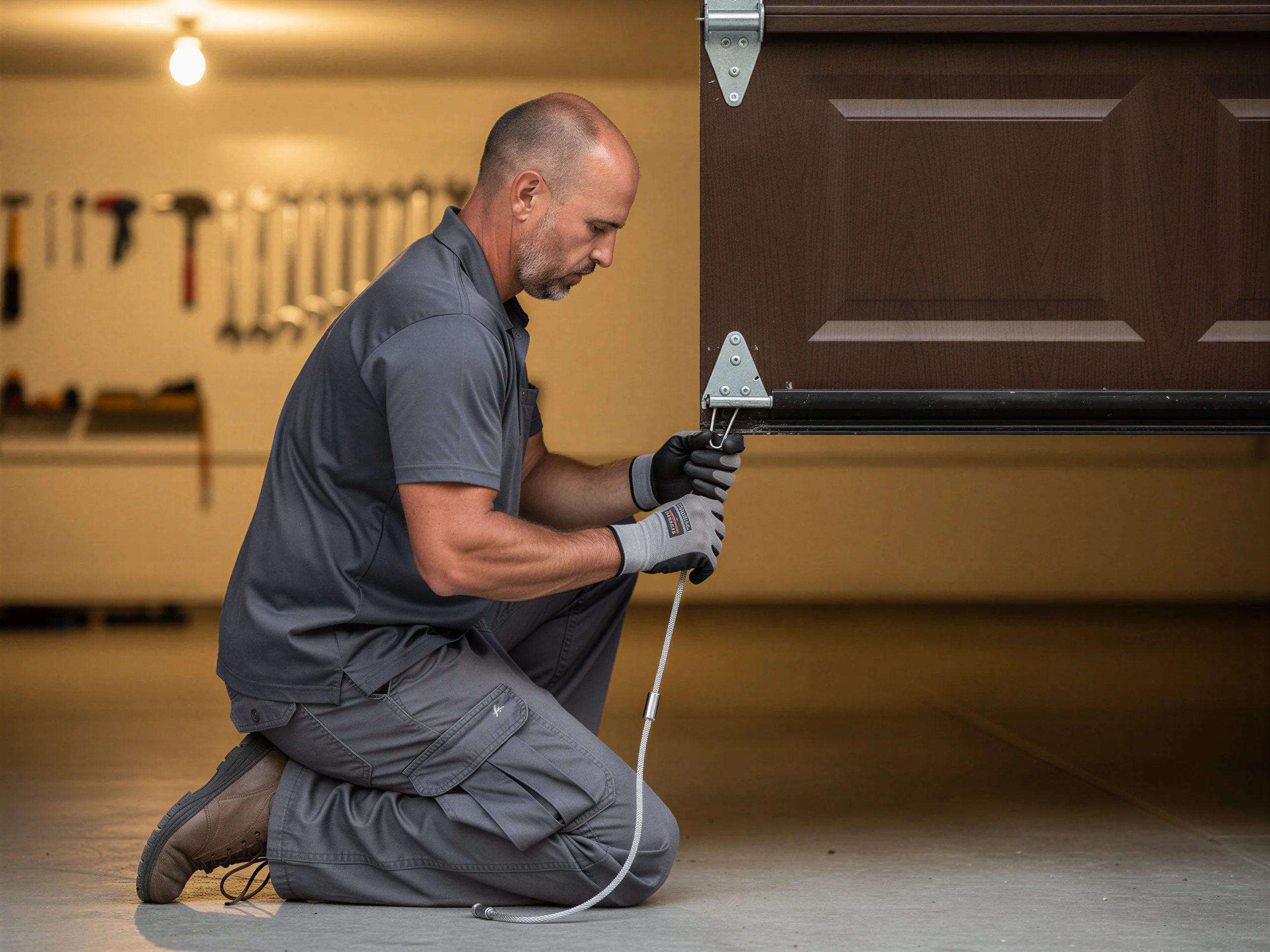
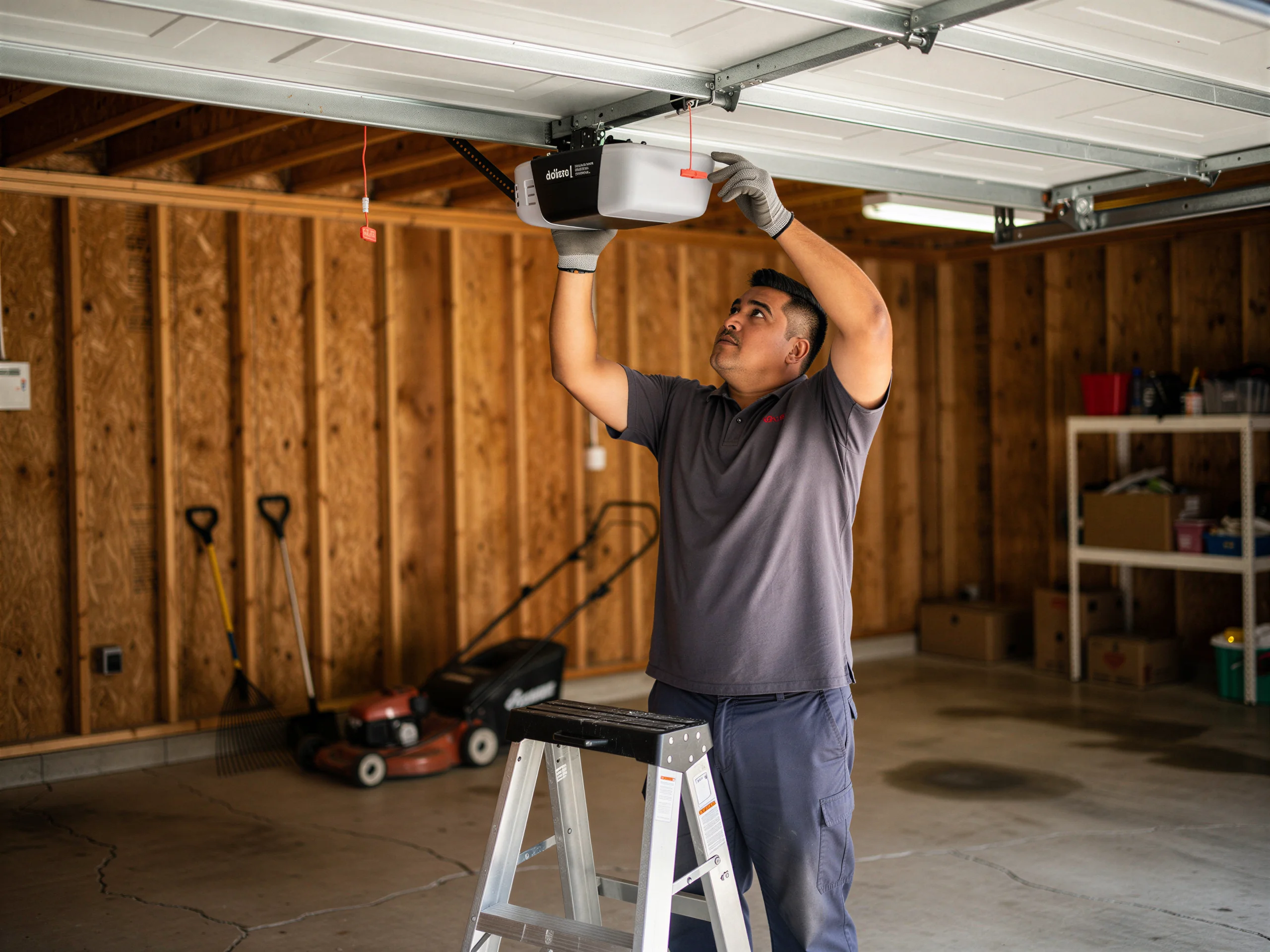
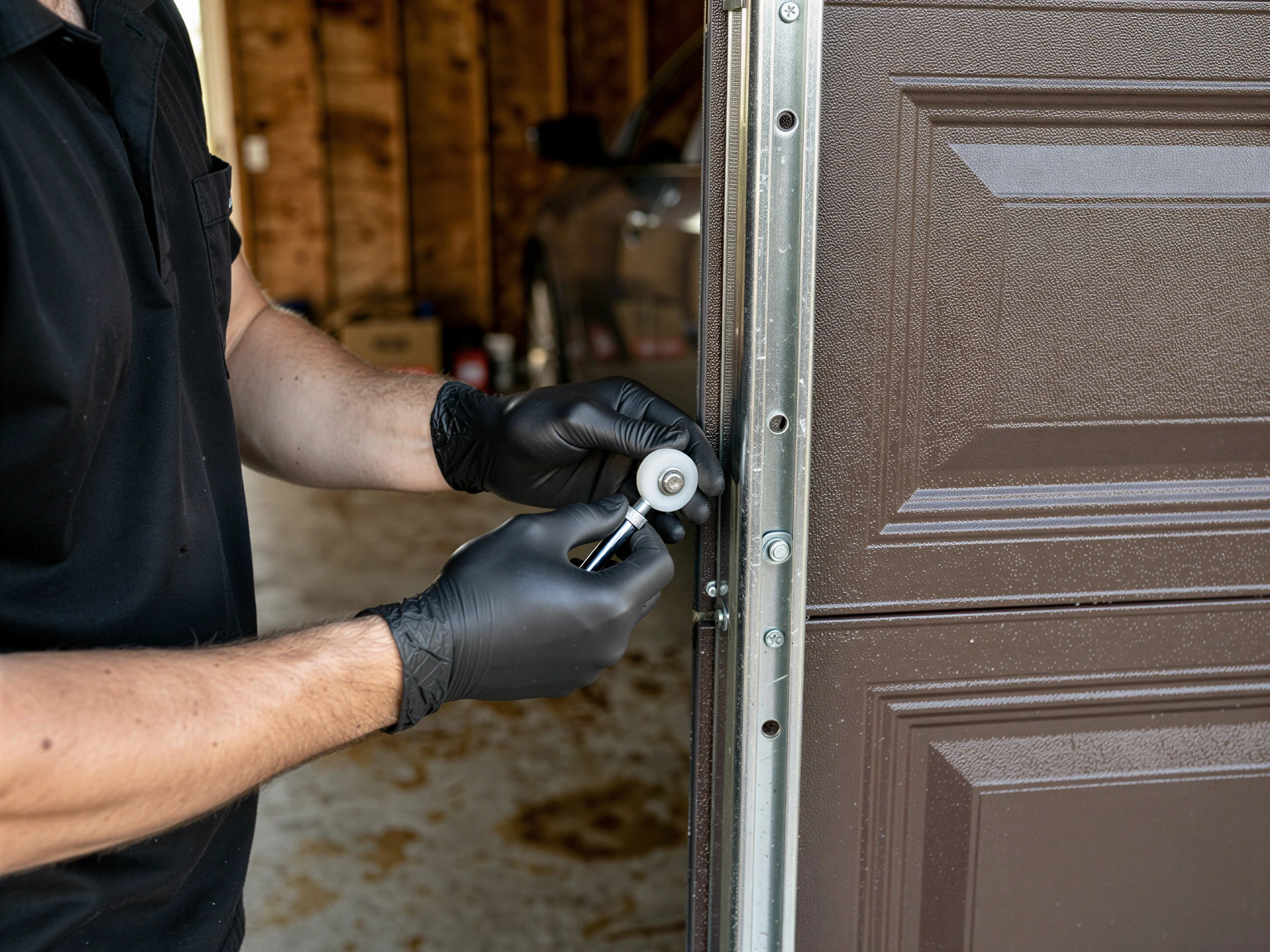
The truck runs the 14-mile route out from League City carrying both roller types we see most on this side of the service area: sealed-bearing steel rollers and nylon rollers in the common stem lengths and wheel sizes.
Staging extra roller stock
Because the drive is longer than an in-town call, the tech stages extra of each before heading out rather than guessing on site. Here's the honest limit: if your door takes an odd stem length, an 11-ball industrial roller, or a track radius that's been discontinued, we may not have it on the truck that day.
Second trip for odd parts
That's not a Deer Park problem specifically, it's a parts-availability problem, and it means a second trip rather than a one-visit fix. We'd rather tell you that up front than pretend every bracket matches.
Ready-to-fit nylon rollers
For most doors going up on original steel rollers worn flat after decades of travel, the straightforward swap to sealed nylon is stocked and ready. If your opener and track hardware are original to the house, we bring brackets too, since the roller stem and the bracket wear as a pair.
Booking a Visit
Because this call gets made from League City, 14 miles out, it gets scheduled into a route rather than dispatched as a standalone stop. That's not a knock against Deer Park, it's just how the math of a drive that length works for a company based elsewhere in the service area.
Grouping nearby same-day calls
If you can tell us roughly when the noise started and whether the door still closes evenly, we can often group your call with others headed this direction the same day.
No depot or walk-ins
We don't carry a branch or depot in Deer Park, so there's no walk-in counter and no same-day guarantee tied to this zip code specifically. What we can do is call ahead with a tighter window once the truck is loaded and routed, instead of a vague all-day estimate.
Batch both sides together
If your rollers are making noise on both sides of a double door, mention that when you call. It usually means the whole set is due, not just the loud one, and batching the job saves you a second visit.
The Symptom
Deer Park's housing stock centers on 1981, which puts a lot of doors here squarely in the generation that shipped with 7-ball steel rollers on stamped steel brackets.
Oval bearings and clunks
After roughly four decades of travel up and down the track, those bearings wear oval instead of round, and the symptom is a rhythmic grinding or clunk that gets louder as the door nears the top or bottom of the track, where the curve puts more side load on the wheel.
Humidity on exposed steel
The Gulf-adjacent climate here is mild with occasional freeze, so you're not fighting the kind of deep-cold hardening that cracks nylon rollers further north. What you are fighting is humidity working on exposed steel bearings over the years, which is part of why so many owners in this income bracket choose to upgrade to sealed nylon rather than replace steel with steel.
Single bang points elsewhere
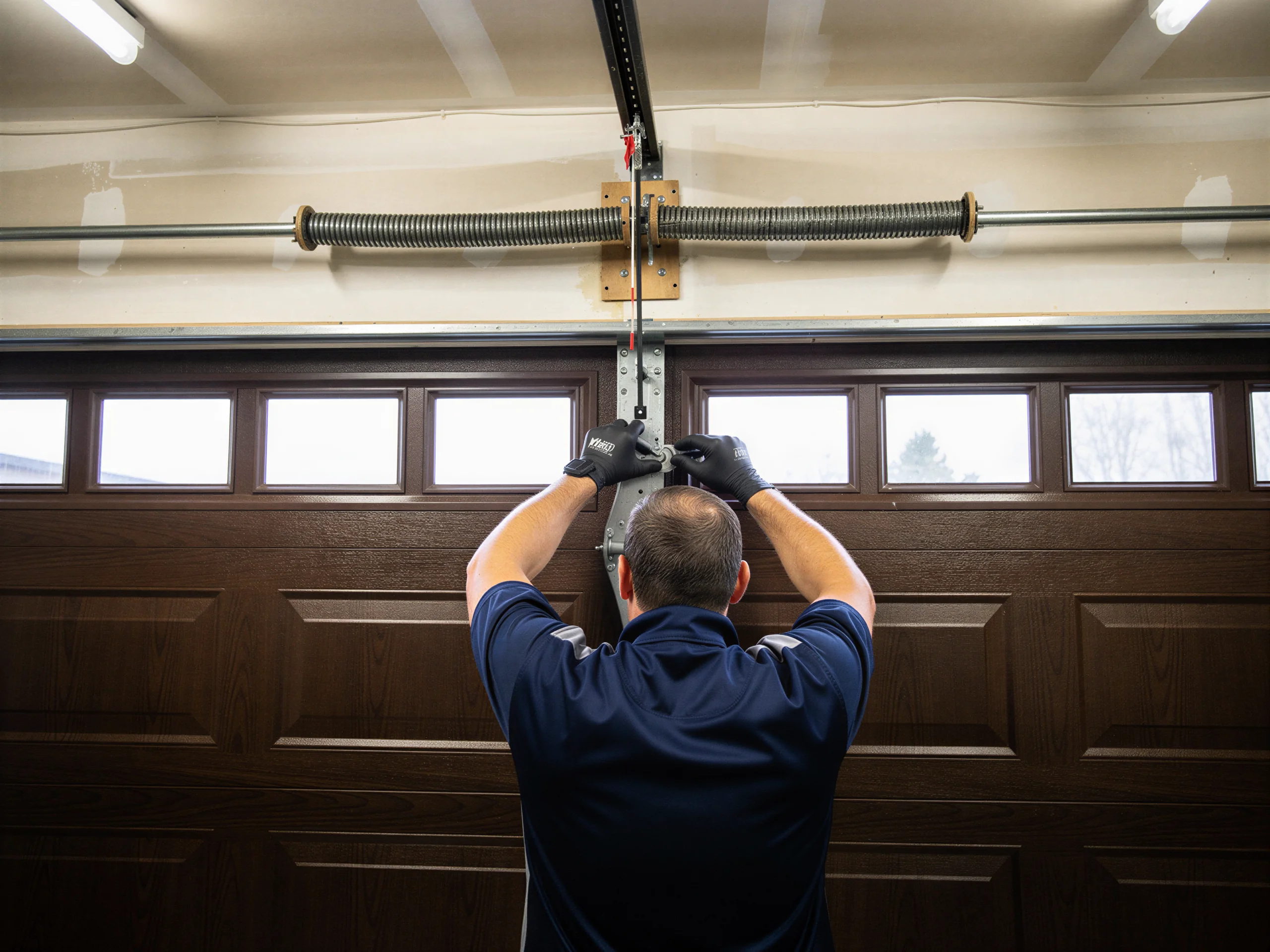
If the noise is a single sharp bang rather than a grind, that's more likely a cable or spring, not a roller, and worth saying when you call so the right parts are on the truck.
How Long It Takes
A straight roller swap on one door, once the tech is on site, usually runs under an hour for steel-to-nylon replacement across a standard set, longer if the track needs realignment from years of the worn rollers riding rough. The time that varies more is the drive itself. At 14 miles each way from League City, the window we give you accounts for traffic on top of the job time, not just the repair.
If you've got two doors needing rollers, or a double door with both sides worn, we try to do them in the same visit rather than ask you to book twice, since the truck is already out this way.
What we can't shrink is the parts question. If your hardware turns out to be a size we don't carry that day, the labor itself is still quick, but the full job stretches to two visits. That's the one part of the timeline the drive doesn't control.
What the Repair Takes
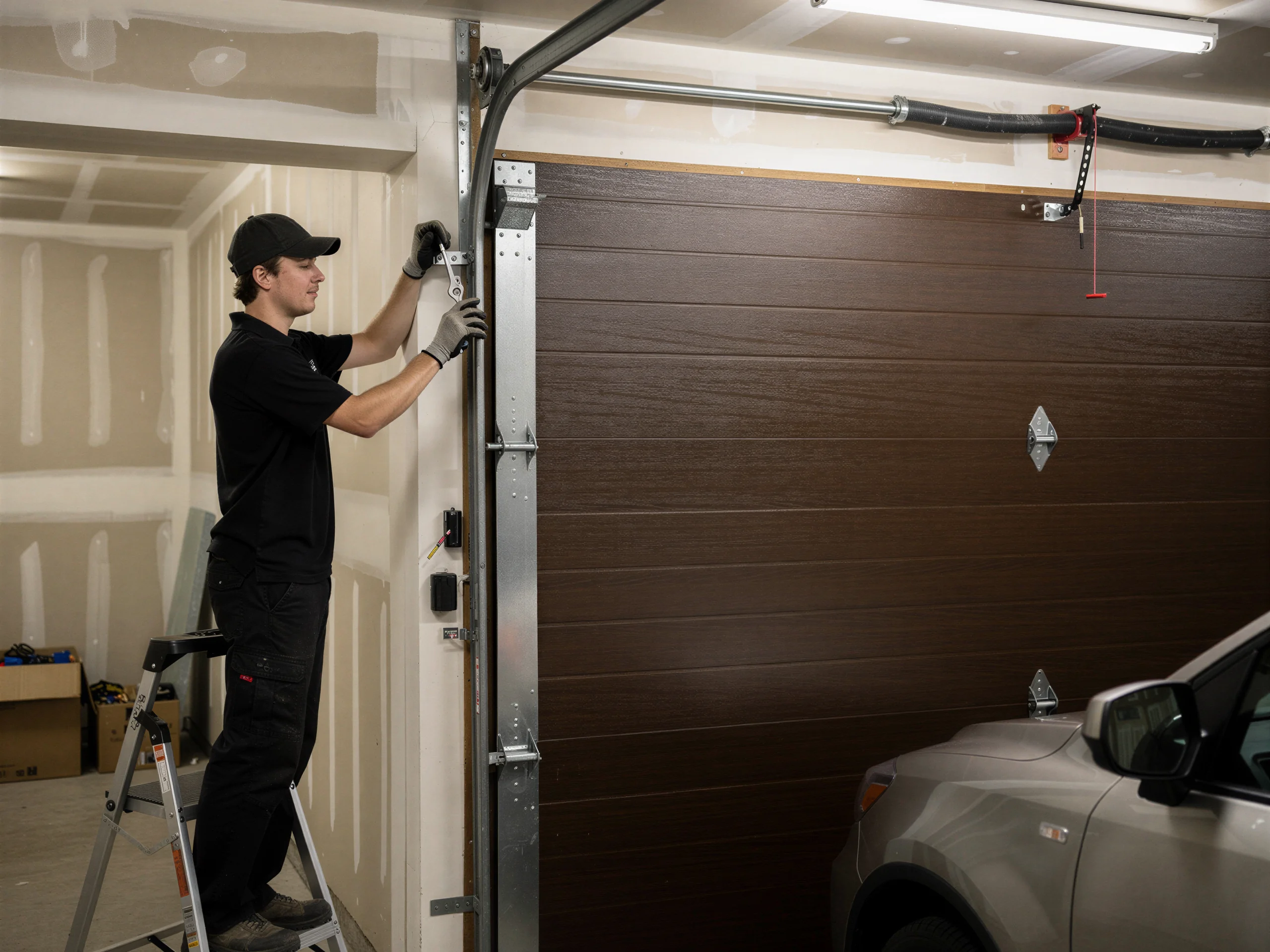
Replacing rollers isn't just pulling old wheels and pushing in new ones. On a house from the early 1980s, the track itself has usually flexed slightly over the years, so the tech checks alignment on both vertical sections before the new rollers go in, not after.
Check every bracket hole
Worn rollers that have been grinding for months often take the bracket with them, so a full set replacement usually means checking every bracket for elongated holes, not just swapping the roller stems.
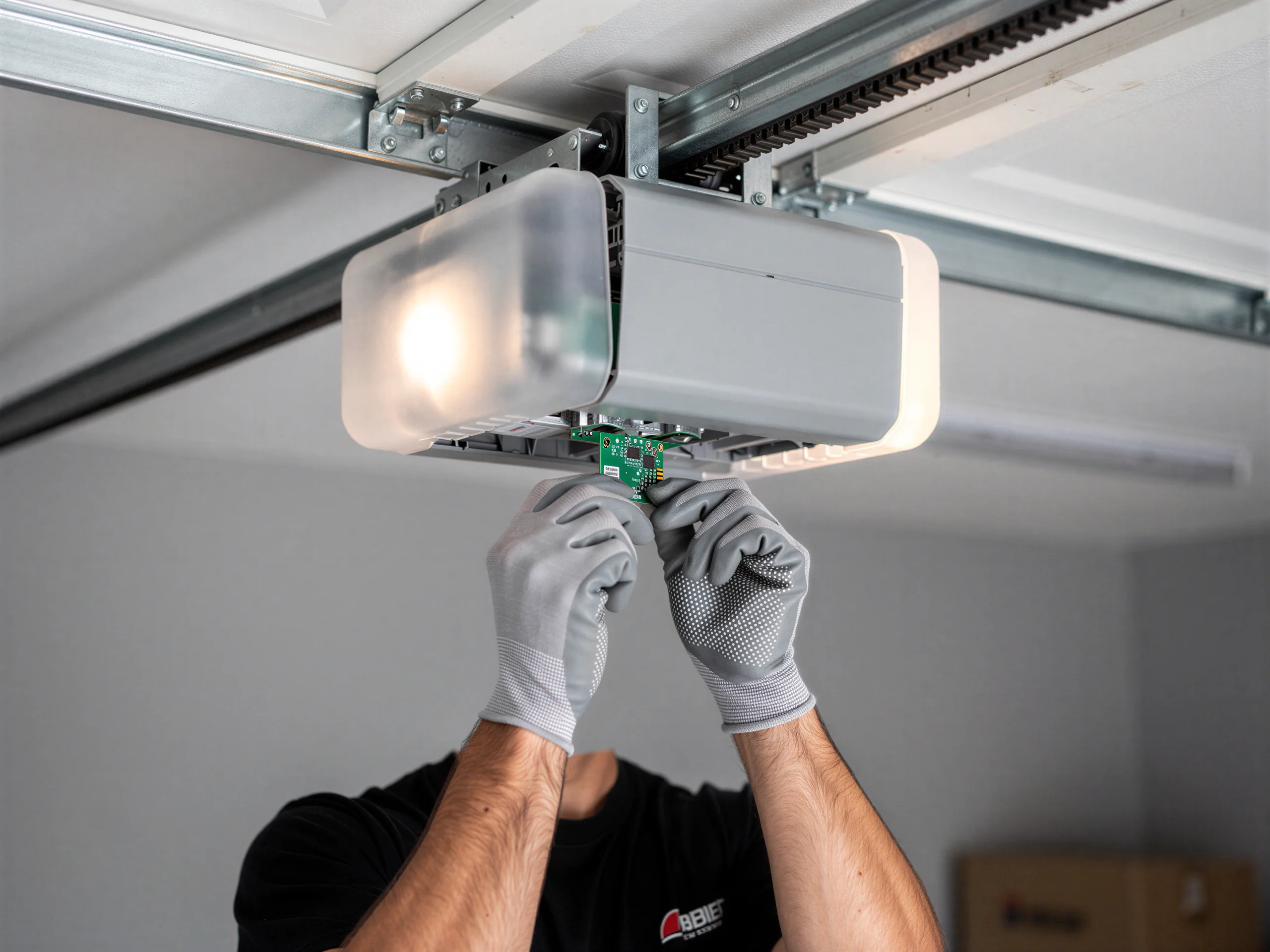
Reset opener travel limits
On a door with 11,829 households' worth of similar builds around it, the pattern repeats: original hardware, one worn side, then the other. If the opener's travel limits were set around the old, slightly-dragging rollers, those get reset once the door moves freely again, or the opener will still strain even with new hardware installed.
Door replacement only if bent
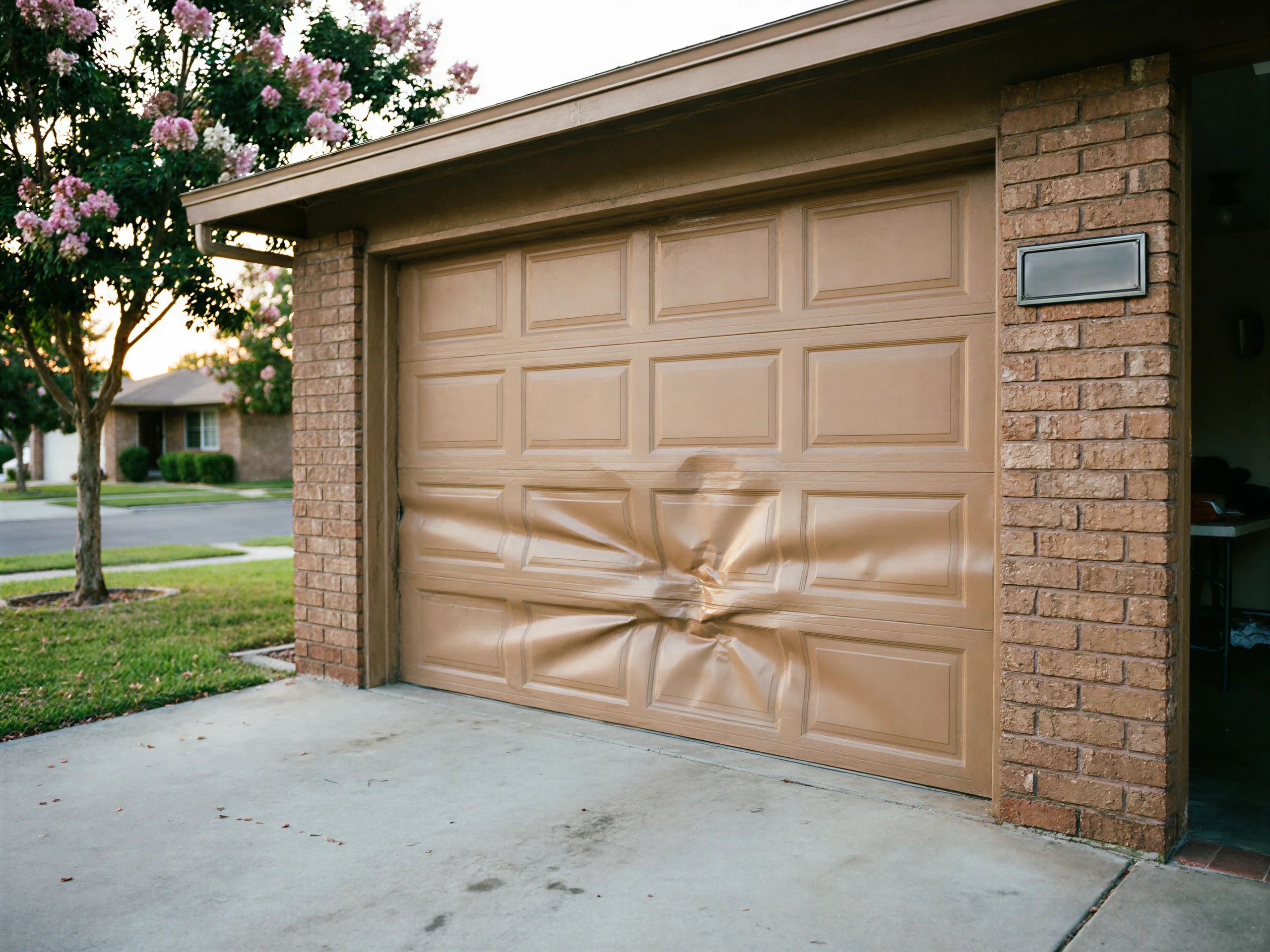
We don't push full door replacement on a roller call unless the panels or tracks themselves are bent beyond adjustment. Most of the time in this neighborhood it's hardware, not the door.
Talk to a local pro
Garage door service in League City?
Same-day service with honest, upfront quotes.