What Is on the Truck
Deer Park runs about 11,829 households, which is enough volume that we see the same handful of failures over and over rather than a grab bag of oddball doors.
Early-1980s housing stock
Most of the housing stock here traces back to the early 1980s - the area-wide median build year across our service territory sits at 1983, and Deer Park itself tracks close to that at 1981.
Springs sized for heavier doors
That means torsion springs sized for heavier single-layer steel doors, openers that have usually been swapped out once already, and track hardware that's old enough to have worn mounting brackets even if the door itself still looks fine. Because we're coming from League City, about 14 miles out, the truck is stocked before we leave, not restocked mid-route.
Universal boards and rollers
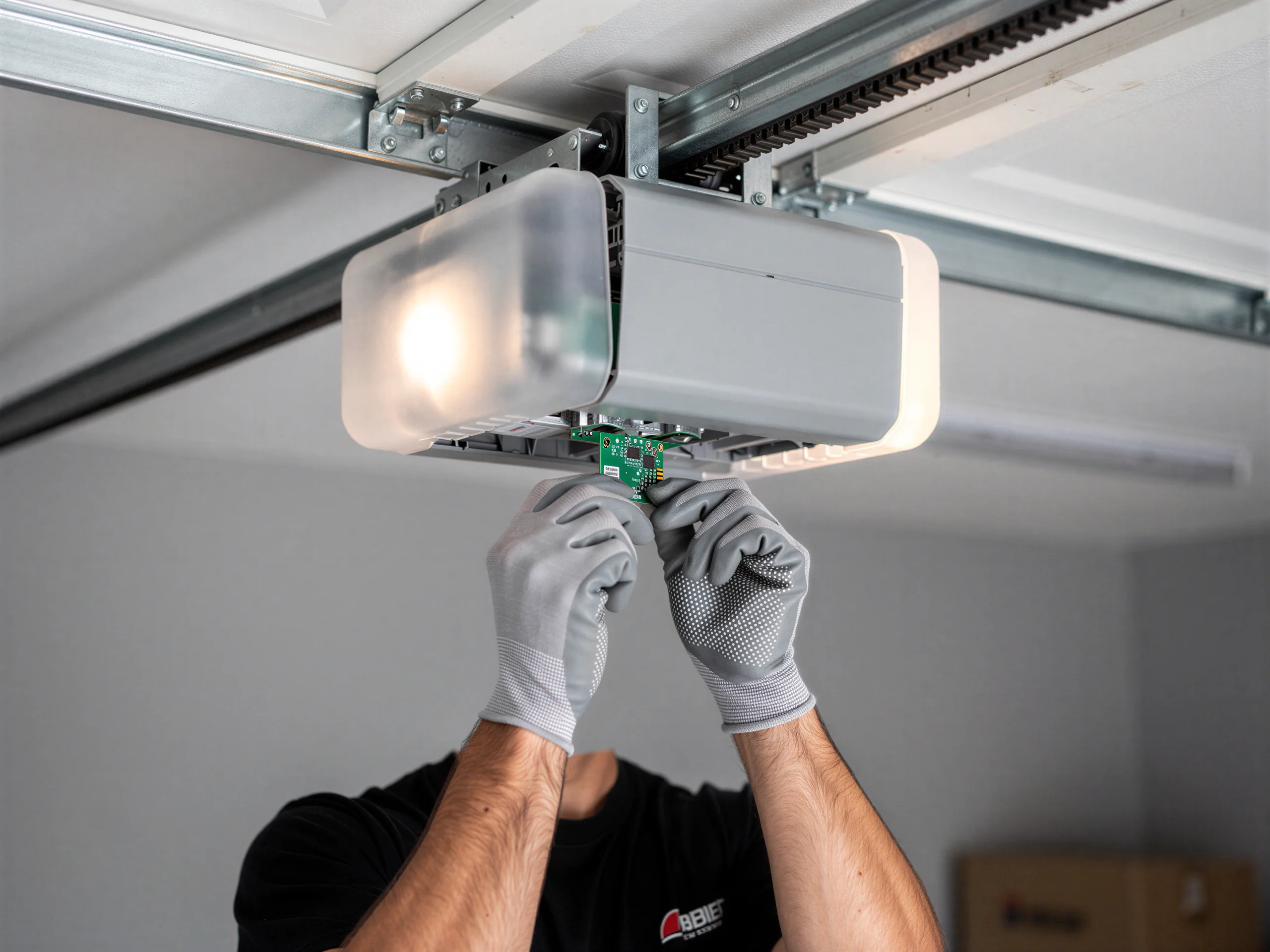
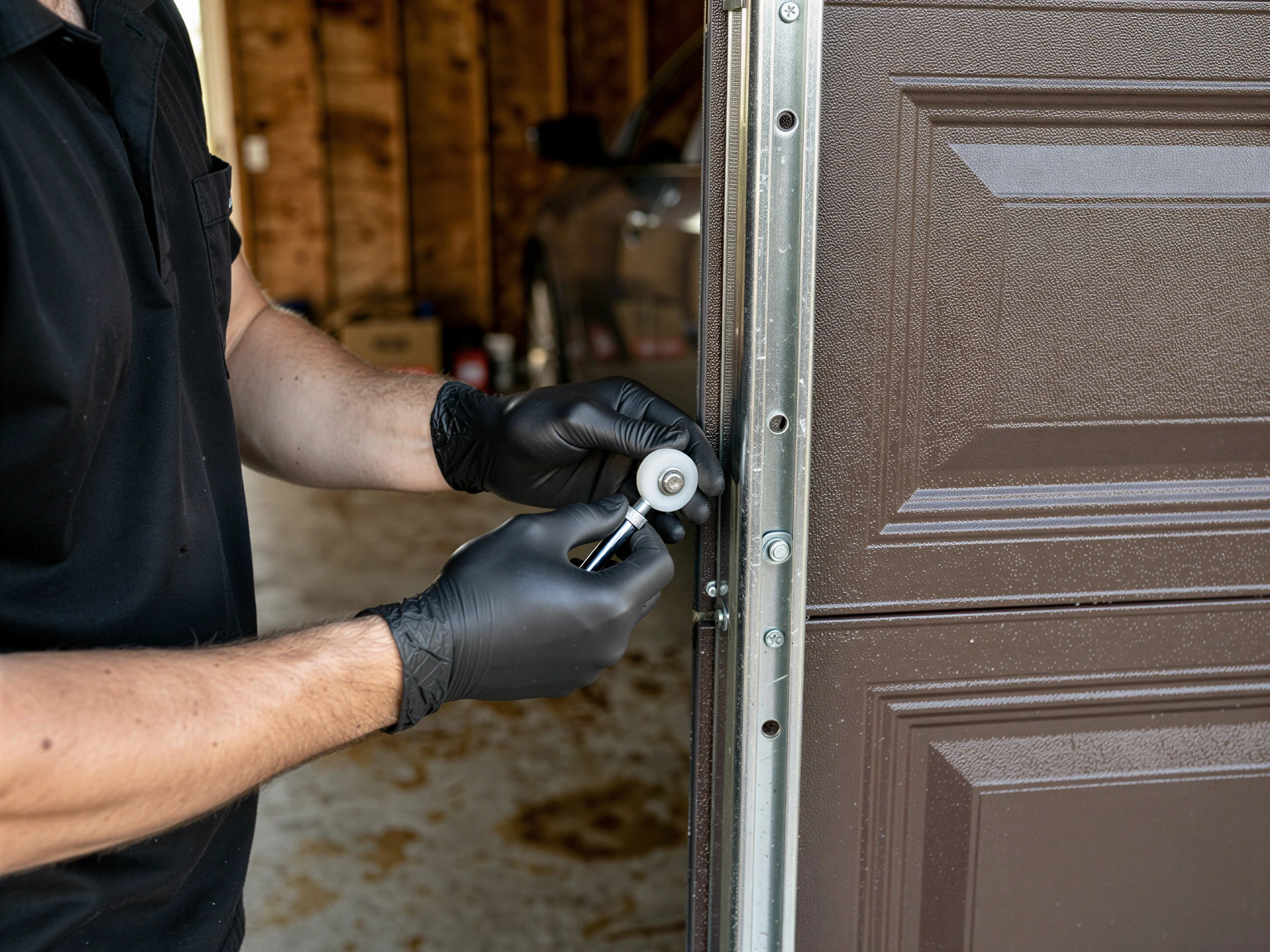
For Deer Park calls that means standard torsion springs in the sizes that match early-80s door weights, universal opener boards, galvanized rollers, and the cable and hinge hardware that fails first on doors in that age range. We carry what the housing era actually needs, not a generic assortment.
Booking a Visit
We don't run a branch in Deer Park - every job here is dispatched from League City, so when you call we're scheduling the drive into that 14-mile window, not pulling from a local lot.
Intake questions by phone
That's worth knowing because it means we ask a few more questions up front than a shop sitting five minutes away might: door brand if you know it, whether it's a single or double, and roughly how old the opener is.
Booking by job, not hour
The more of that we have before we load the truck, the less likely we show up with the wrong spring size for a door built to early-80s dimensions. We book by the job, not by a flat hourly slot, so tell us what's actually happening - a door that won't budge is a different dispatch than one that's just noisy.
Repair or replace opinion
Deer Park homeowners with a median household income around $95,233 tend to ask for a straight repair-or-replace opinion rather than a patch job, and we give that on the first visit when the door's open in front of us.
The Symptom
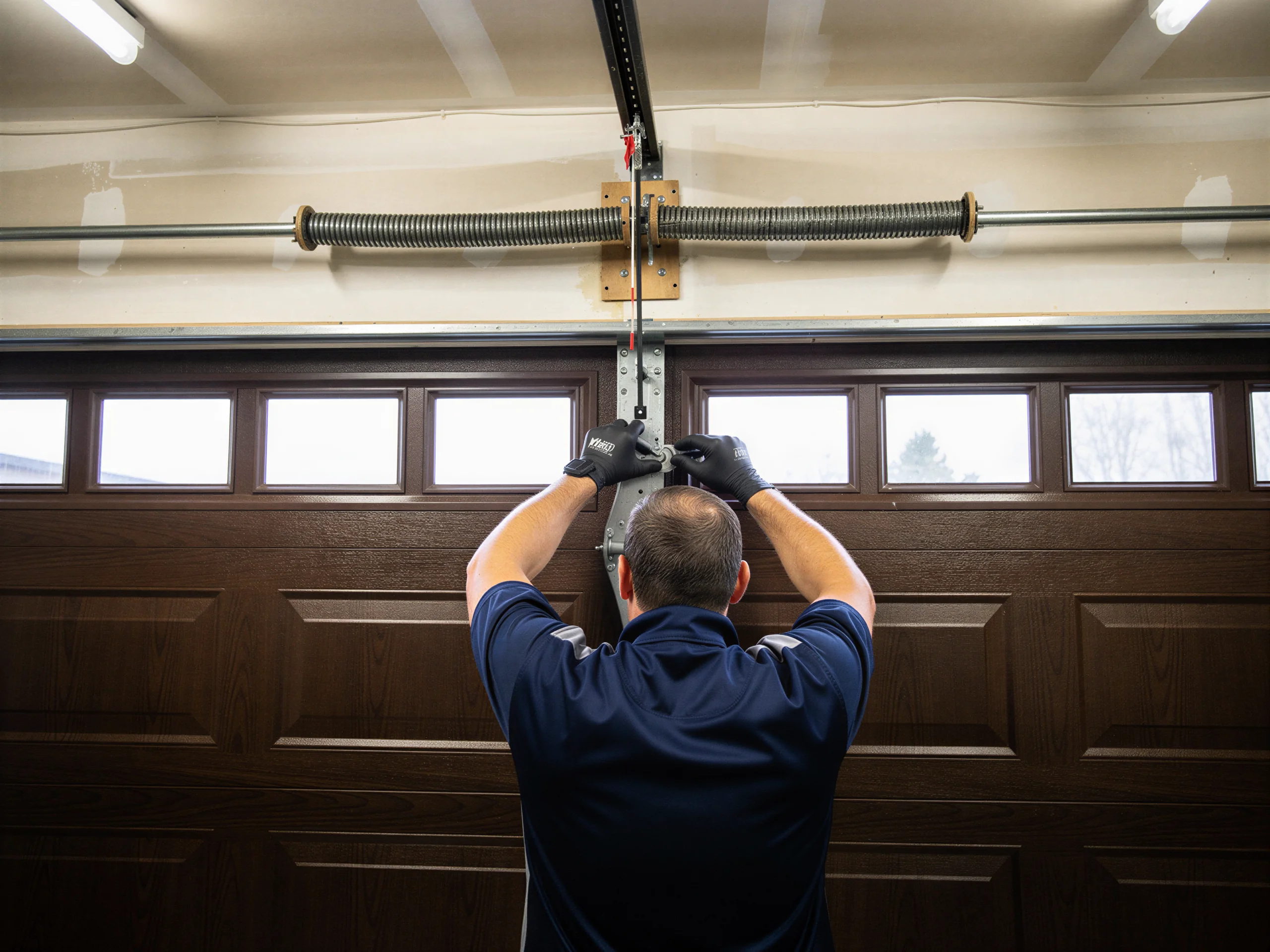
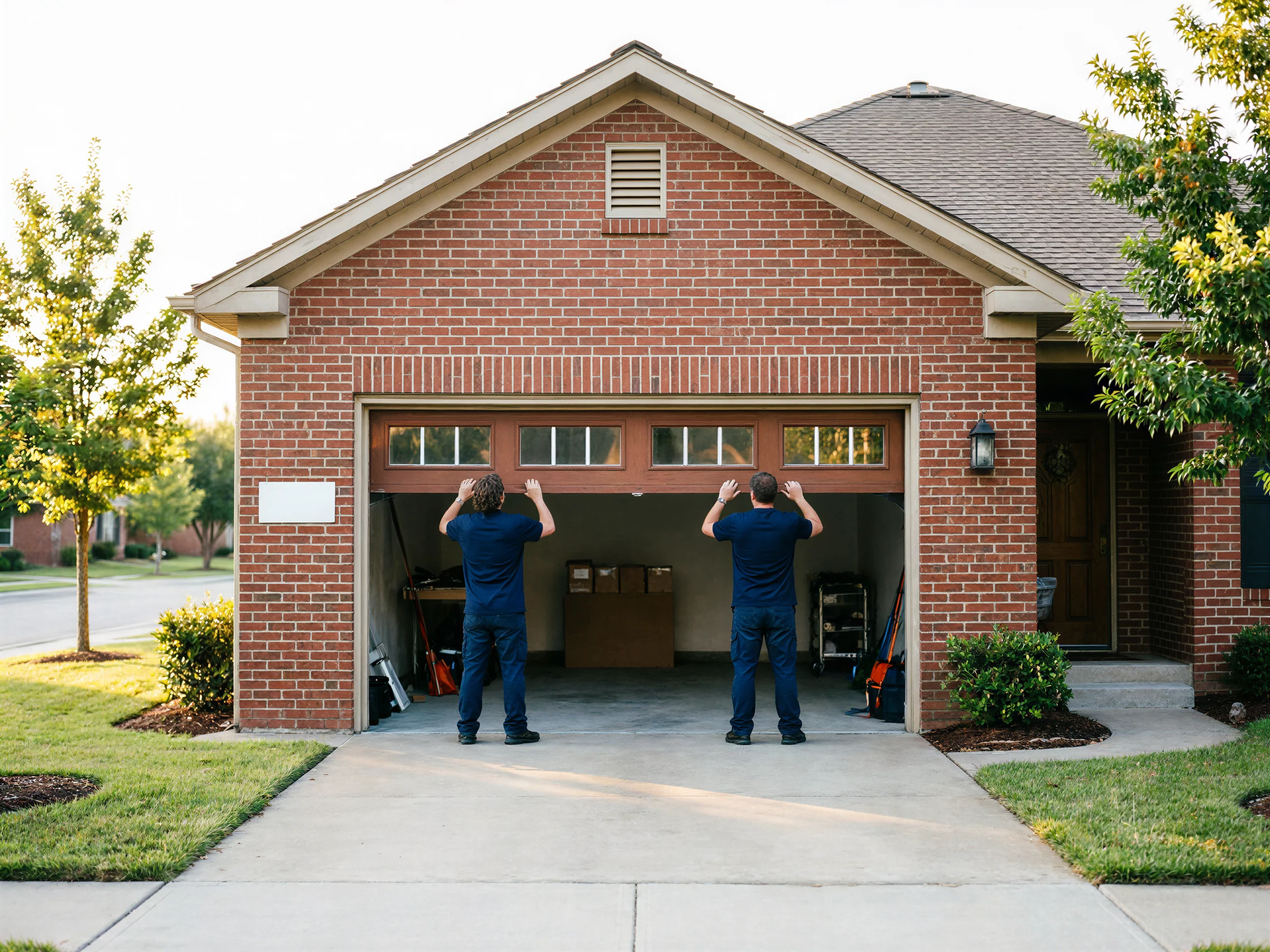
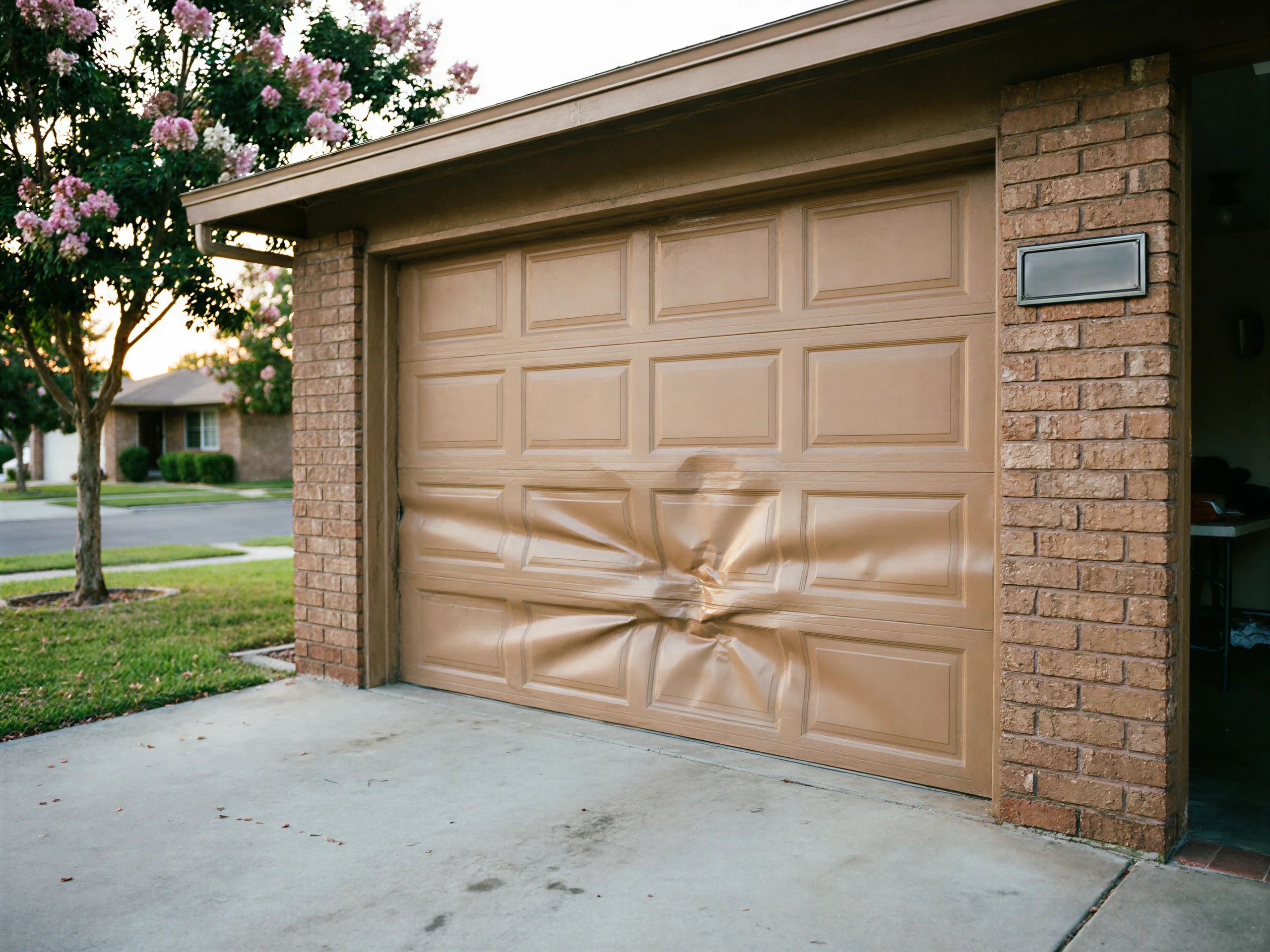
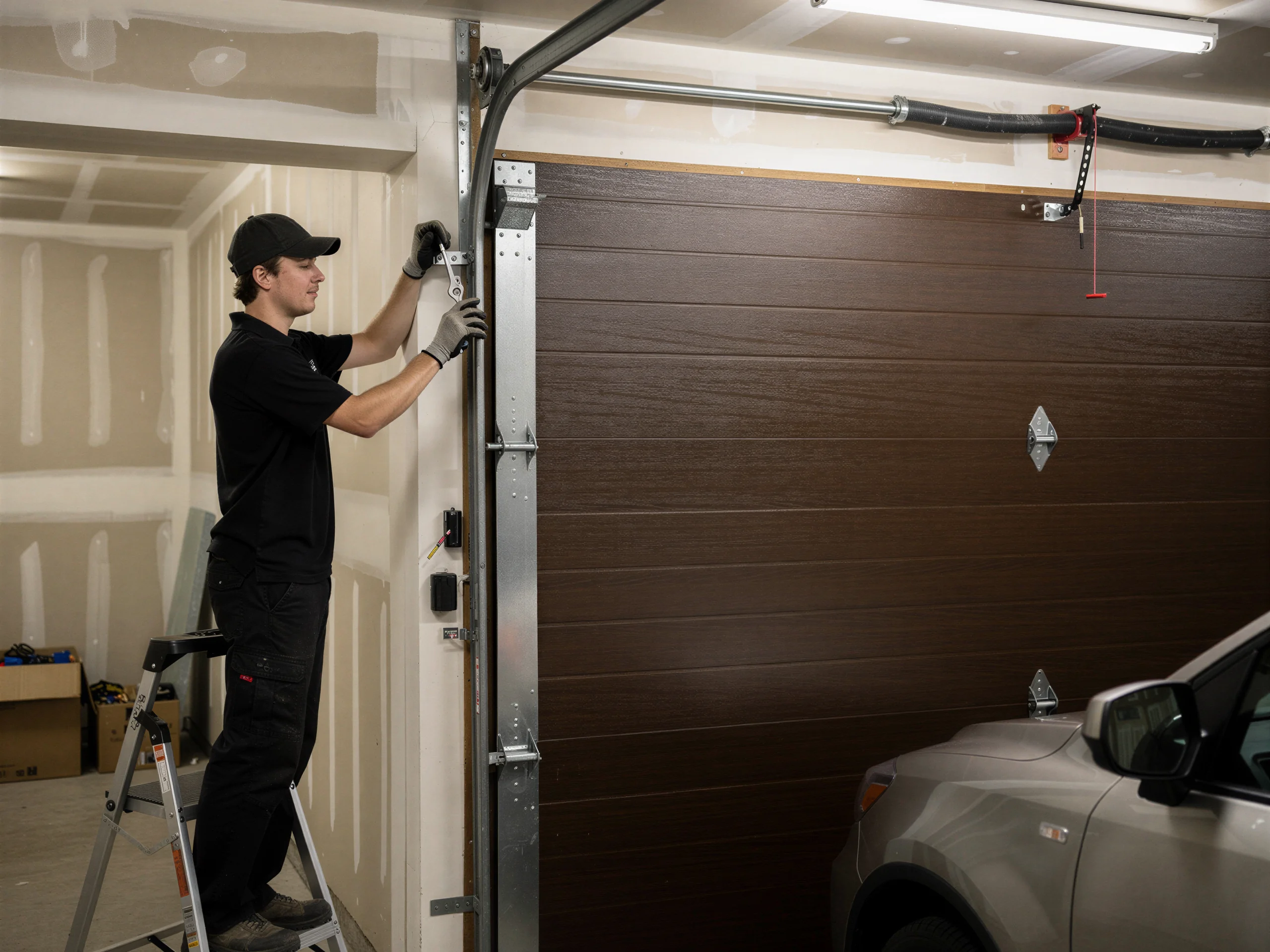
On doors from the early-80s building stock that makes up most of Deer Park, the symptom we hear most is a door that drops fast or won't lift past a foot - that's almost always a broken torsion spring, and on a door this age it's usually original or one generation removed from original.
Stripped gear, stalled door
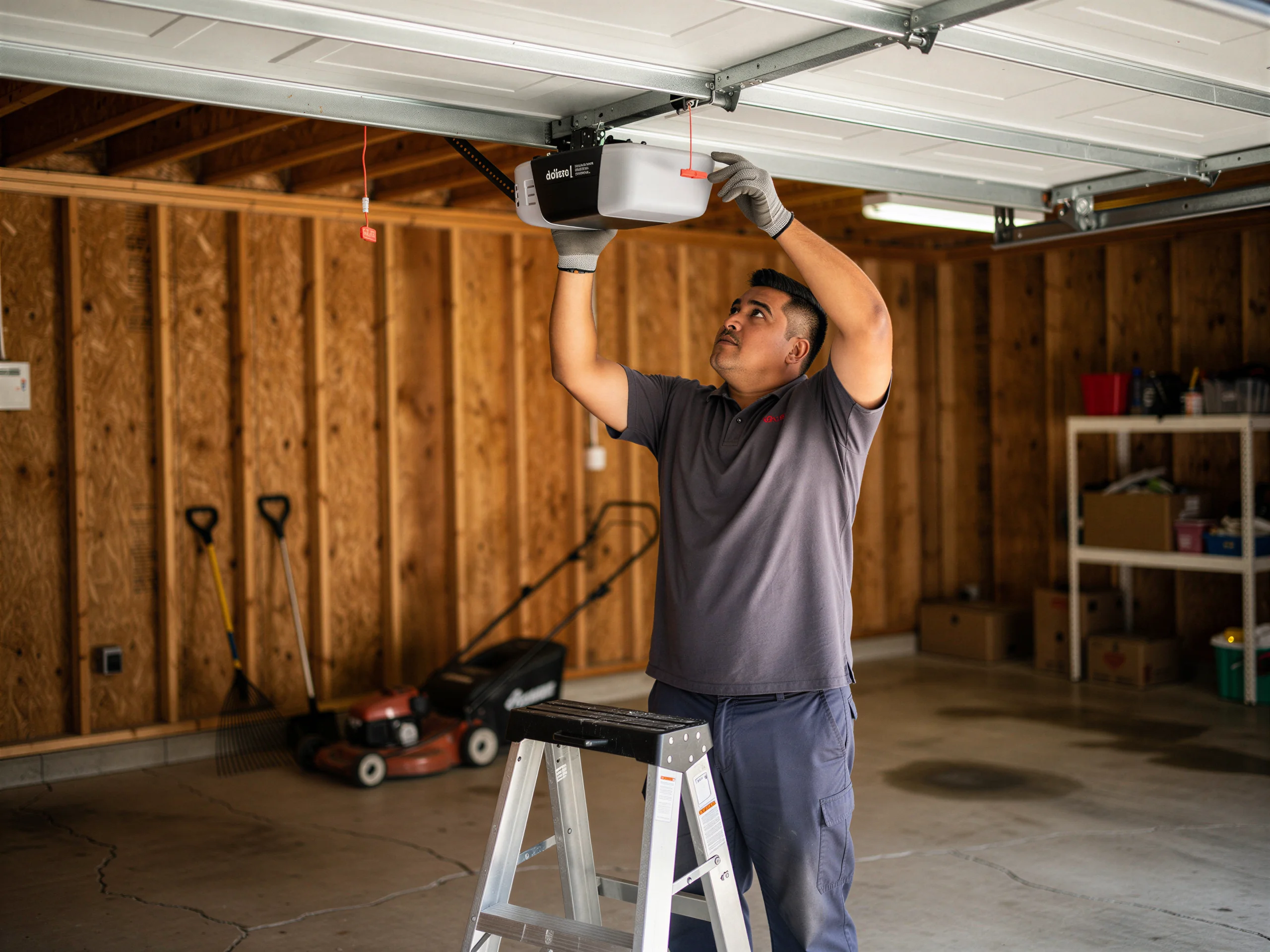
Second most common: an opener that runs but the door doesn't move, which on these older setups is often a stripped gear or a drive mechanism that's simply worn out rather than anything electronic.
Frayed cable racks door
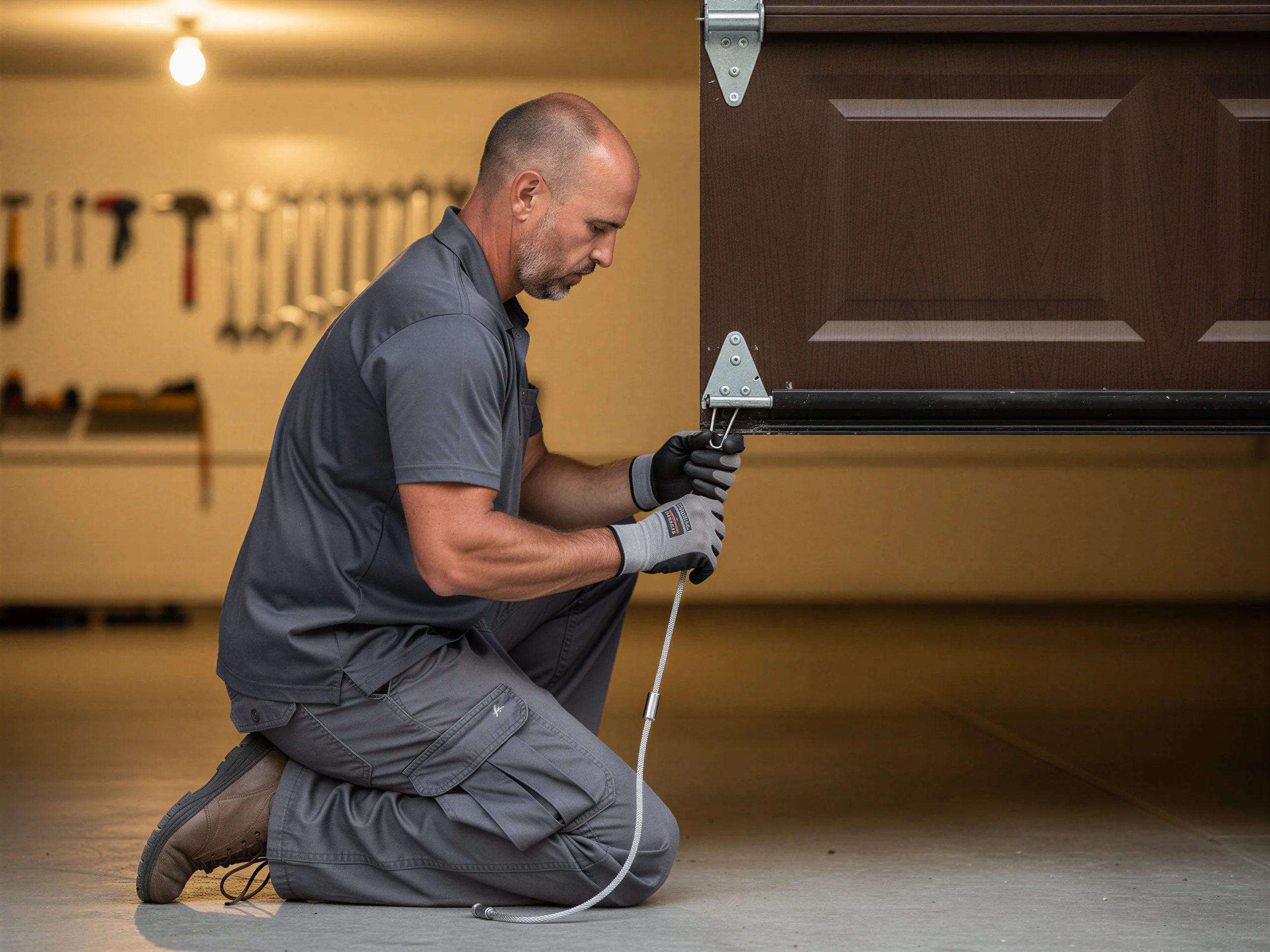
We also see cable fray on one side before the other, which shows up as a door that racks or runs crooked in the track instead of straight.
Stiff grease on rollers
Mild-climate humidity with occasional freeze snaps (our area sits in a mild, some-freeze band) doesn't rust hardware fast, but it does stiffen grease on older rollers, which is a smaller, cheaper fix if you catch it before a cable snaps from the extra strain.
How Long It Takes
Add the 14-mile drive from League City to whatever the repair itself takes - that's the honest math for Deer Park, and we'd rather say it than let you assume we're five minutes away. Once we're on-site, a torsion spring swap on a standard door runs under an hour. Opener repairs vary more: a gear or sprocket swap is quick, but if the whole unit needs replacing because parts for an older model aren't stocked anywhere, that's a different visit and sometimes a different day if the new unit has to be sourced.
That's the one limitation worth naming up front: we don't keep every discontinued opener board on the truck, and some older models built for early-80s doors just aren't manufactured anymore. When that's the case, replacement is faster and cheaper than hunting a part, and we'll tell you straight rather than stall.
What the Repair Takes
A proper spring repair on a Deer Park door built in that early-80s window isn't just swapping the spring - it's checking that the drum, cable, and bearing plate are still rated for a door that's carried the same spring tension for forty-plus years.
Springs sized to real weight
We size new springs to the door's actual weight, not a generic chart number, because doors from this era vary more in panel thickness than newer builds do.
Matching opener lift force
For openers, we match the new unit's lift force to the door rather than defaulting to whatever's cheapest, since an undersized opener on an older, heavier door burns out fast.
Rot and warp replacement
If the door itself is failing - wood rot in the bottom panel, warped sections, hardware that's been patched more than once - we'll say so plainly. At some point on a door this age, replacement costs less over five years than another round of repairs, and we'd rather tell you that than keep billing small fixes.
Talk to a local pro
Garage door service in League City?
Same-day service with honest, upfront quotes.