Where This Job Goes Sideways
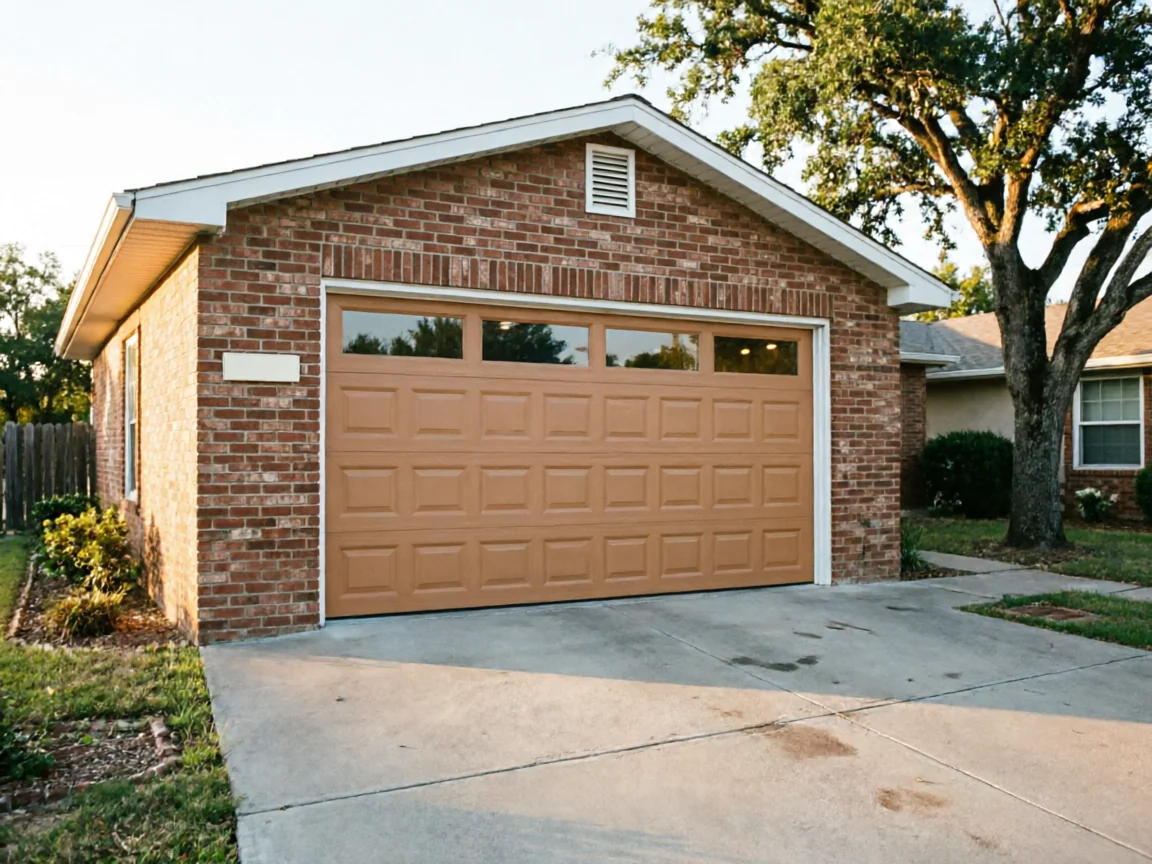
Most of the garage doors in La Marque went up around 1978, and that number matters more than people think. A door from that era is usually a single-car opening, narrower than the two-car bays builders favor now, often steel or wood on a track system that was never designed with an opener's rail kit in mind.
Header mounting surface limits
The header above the door sometimes has no flat surface for a modern mounting bracket, and the studs behind the drywall aren't always where a new kit expects them. Then there's the safety sensor problem. Federal law has required photo-eye sensors on every new opener since 1993, which means a lot of these 1978 doors picked up their first opener as a retrofit years after the house was built, not as original equipment.
Zip-tied sensors and wiring
That retrofit history is where this job goes sideways: wiring routed by whoever did the last install, a sensor bracket zip-tied to the track instead of bolted, a wall button wired straight through the exterior without conduit. We don't assume any of that is done right until we've opened the panel and looked.
Carpentry before opener mount
One limitation worth saying up front: if the existing track or header is bent or rotted past a clean mount, that's a carpentry problem before it's an opener problem, and we'll tell you that instead of forcing a bracket where it doesn't belong.
What Is on the Truck
We come out of League City, 11 miles up the road, so what's on the truck is what gets installed that visit - there's no depot in La Marque to run back to for a part we didn't bring.
Rail lengths and header kits
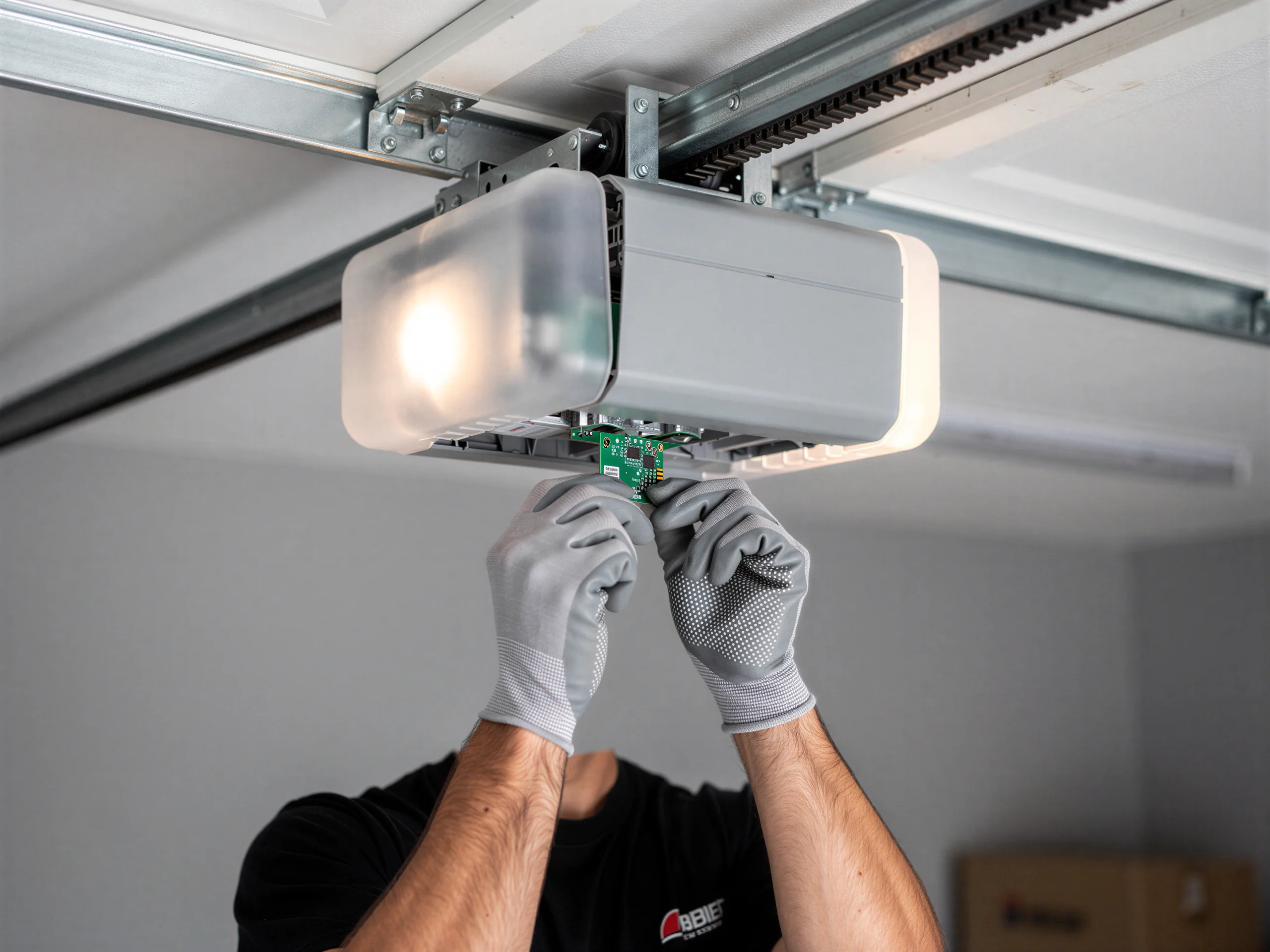
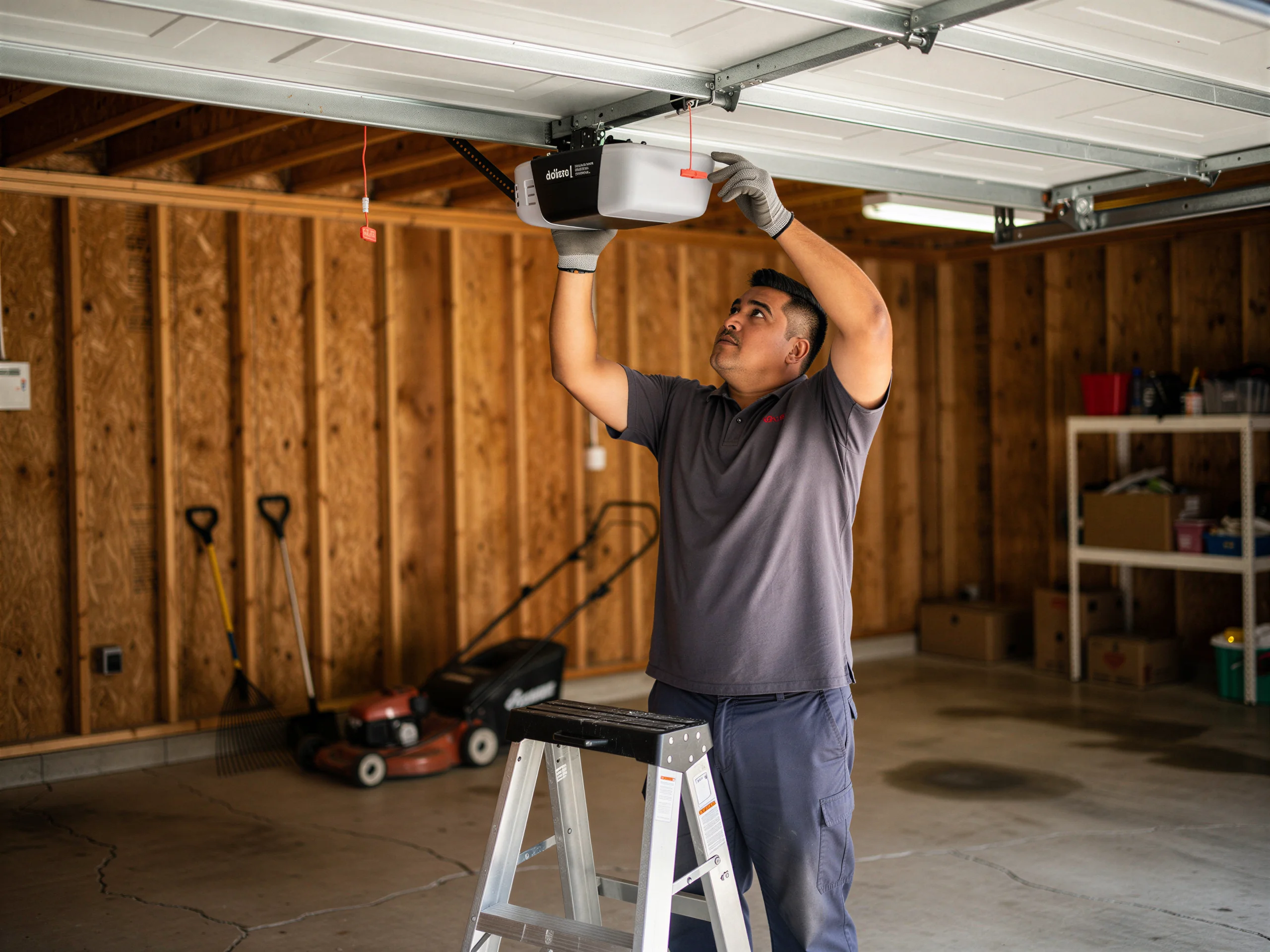
For opener work that means a standard range of chain and belt-drive units, the rail lengths that cover both single and double-car openings, and the mounting hardware for headers that aren't square, which around here is common enough that we carry it as a default, not a special order.
Mid-tier chain-drive installs
Given the median household income in this part of the county sits around $70,632, noticeably under the wider service area's average, most of the units we've put in on this side have been mid-tier chain-drive openers rather than the quieter belt-drive models that cost more up front. That's not us pushing a cheaper unit - it's what gets requested, and a chain-drive opener on a single-car door does the job for years if it's set up right.
Non-stock brackets mean returns
What's not on the truck: anything requiring a special-order part discovered mid-job. If your door needs a non-standard rail or a bracket we don't stock, that's a second trip, and we'd rather say that now than promise a same-day finish we can't back up without a local branch to resupply from.
What Causes It Around Here
This stretch of the Gulf coast sits in a mild climate band with occasional freeze, which sounds easy on equipment compared to places with real winters, but it isn't. The bigger stress on an opener here isn't cold, it's humidity. A circuit board in an attached garage spends more days a year fighting condensation than it ever spends fighting frost, and that slow moisture exposure is what corrodes contact points and shortens the life of logic boards faster than the manual suggests.
Add in the age of the housing stock - 1978 on average for this town - and you get garages that were built with less ventilation than current code calls for, no vapor barrier behind the drywall, sometimes no insulation at all in the door itself. An opener works harder lifting an uninsulated steel or wood door, and the motor runs warmer doing it. Combine that with a board that's already damp-stressed and you get the failure pattern we see most on this side of the county: an opener that worked fine in spring and starts grinding or reversing on its own once summer humidity sets in.
We don't rewire a garage for ventilation - that's outside an opener install - but we'll flag it if the installed unit's warranty depends on conditions the space can't meet.
The Symptom
The complaint we hear most from this part of the county is an opener that runs the motor but the door barely moves, or moves a few inches and stops.
Doors heavier than openers
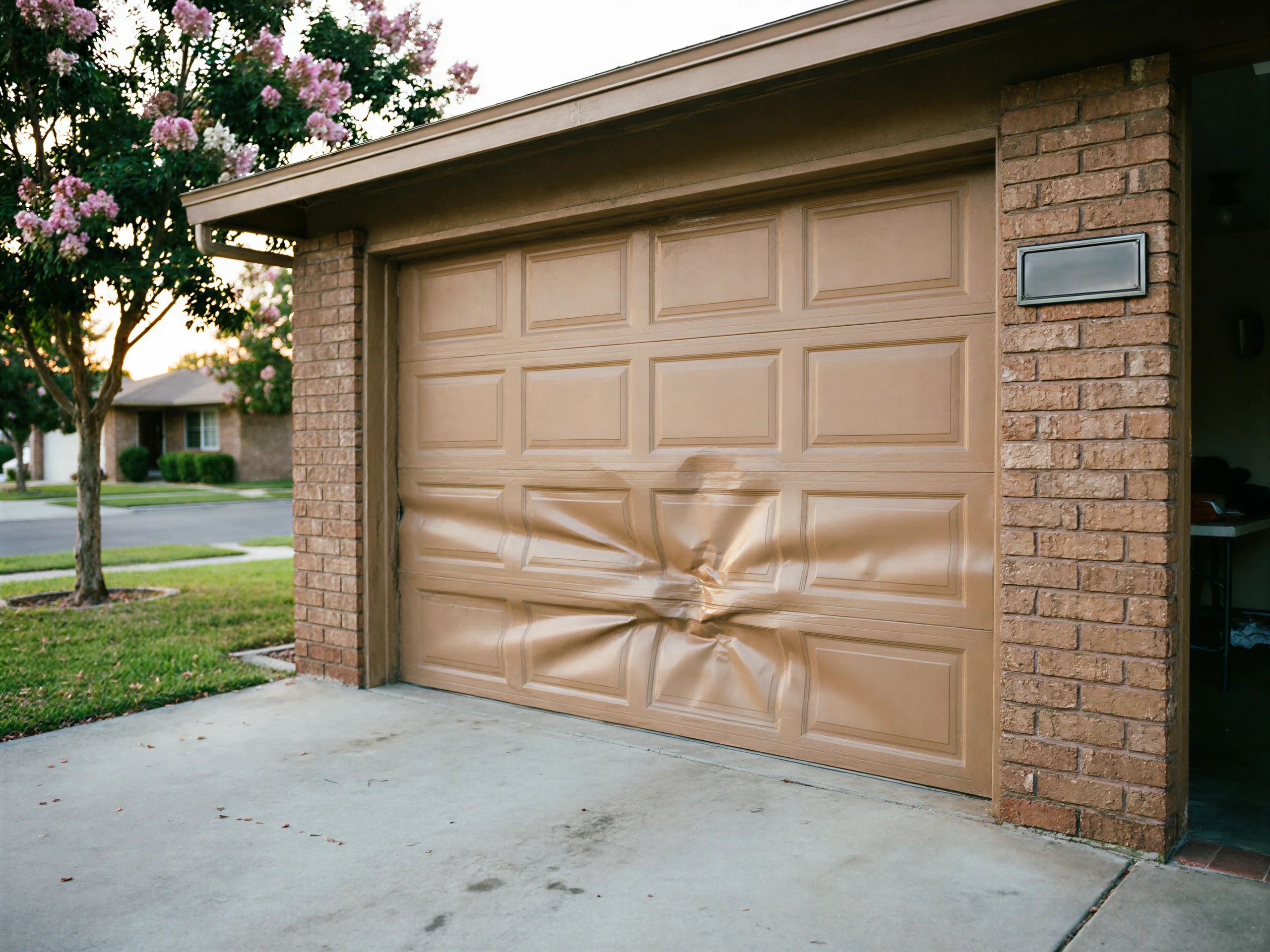
On a door built to 1978-era standards, that's usually not the opener at all - it's a door heavier than the unit was ever sized for, especially if a previous owner swapped in a solid wood replacement panel without telling anyone it added that much weight.
Reversing traced to sensors
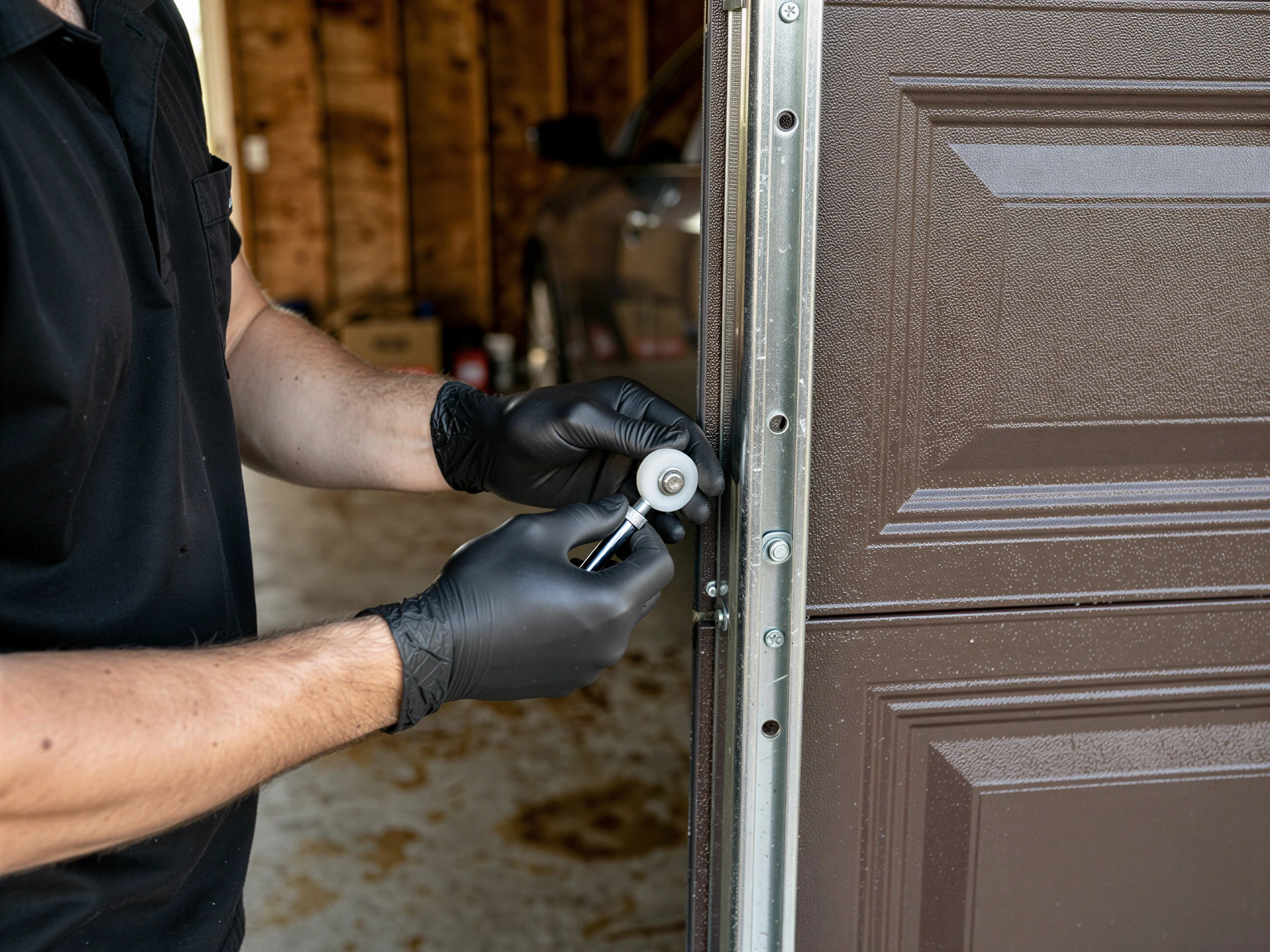
A new opener bolted onto a door that heavy will fail the same way the old one did, just sooner. The second most common symptom is the door reversing on its own partway down, which traces back either to sensors that were never aligned correctly during a past retrofit, or sometimes to tracks bowed enough from age that the door can't travel straight.
Weight and track checks first
Neither of those is solved by installing a nicer opener. We check door weight and track alignment before quoting a new unit, because putting a $200 improvement on a $20 problem doesn't help anyone, and it's the kind of job that comes back on us within a season if we skip that step.
Talk to a local pro
Garage door service in League City?
Same-day service with honest, upfront quotes.