Where This Job Goes Sideways
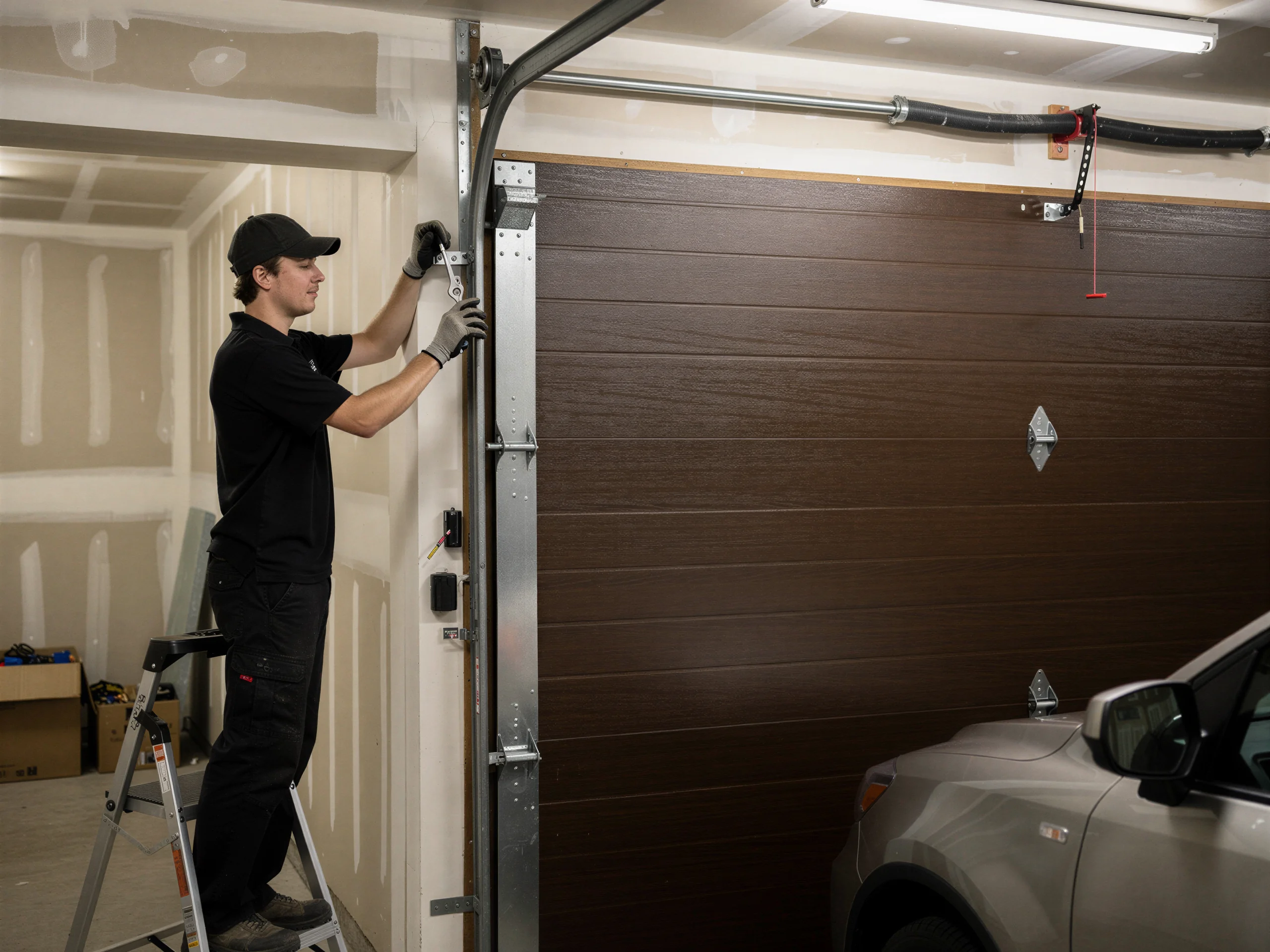
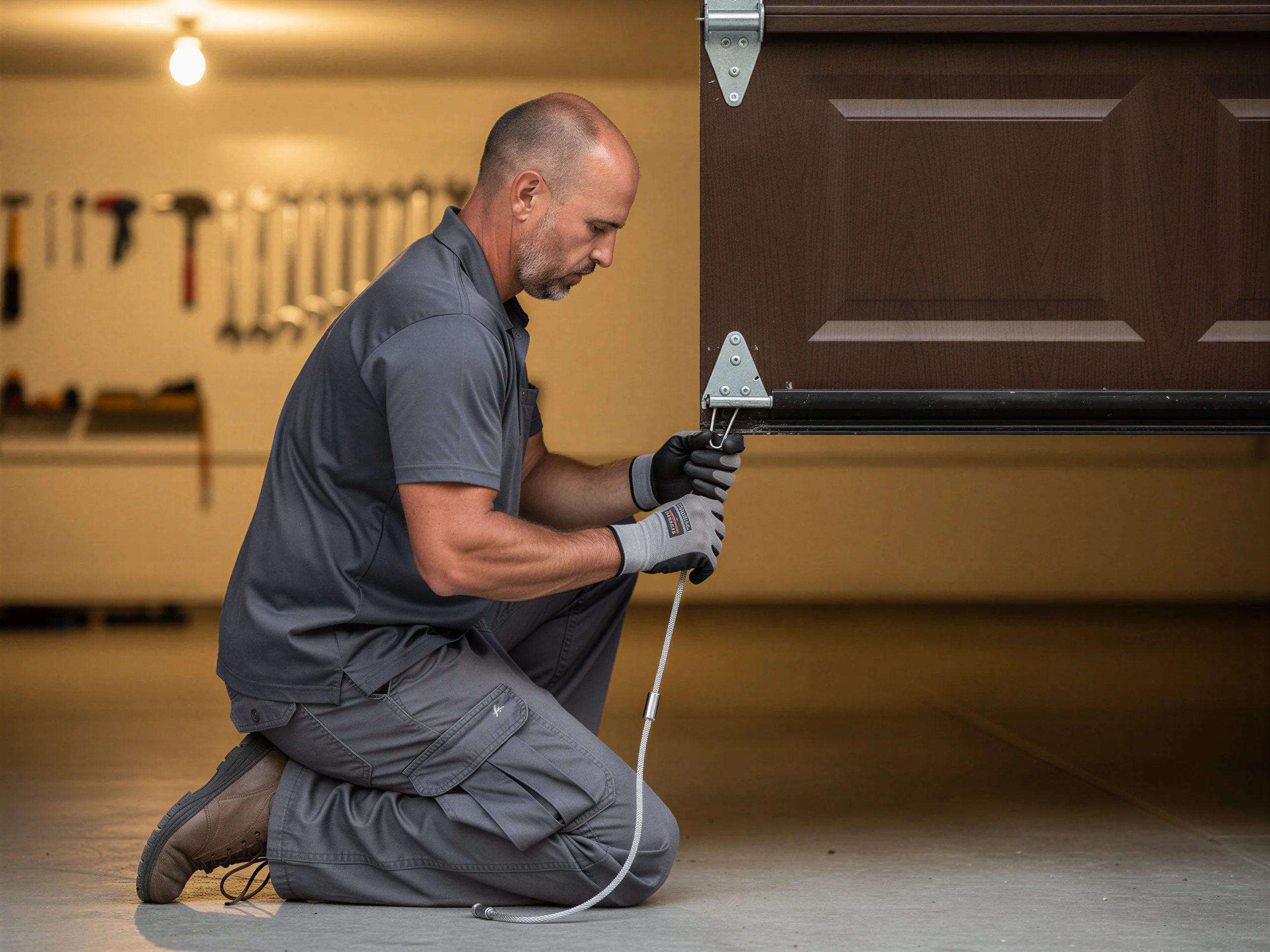
The cable itself rarely snaps clean in the middle. It frays where it wraps the drum, or it jumps the drum groove and bunches up, or the bottom bracket it's crimped to rusts through and lets go.
1991 cable age
Santa Fe's housing stock centers on a median build year of 1991, which puts a lot of doors here right in the window where the original lift cable and drum setup is pushing 30-plus years of cycling.
Cable service life limits
That's not a failure point by accident - galvanized aircraft cable has a service life, and torsion drums from that era weren't built with today's coatings. When a cable lets go on one side of a double door, the door doesn't fall straight.
Racking, binding, bent panels
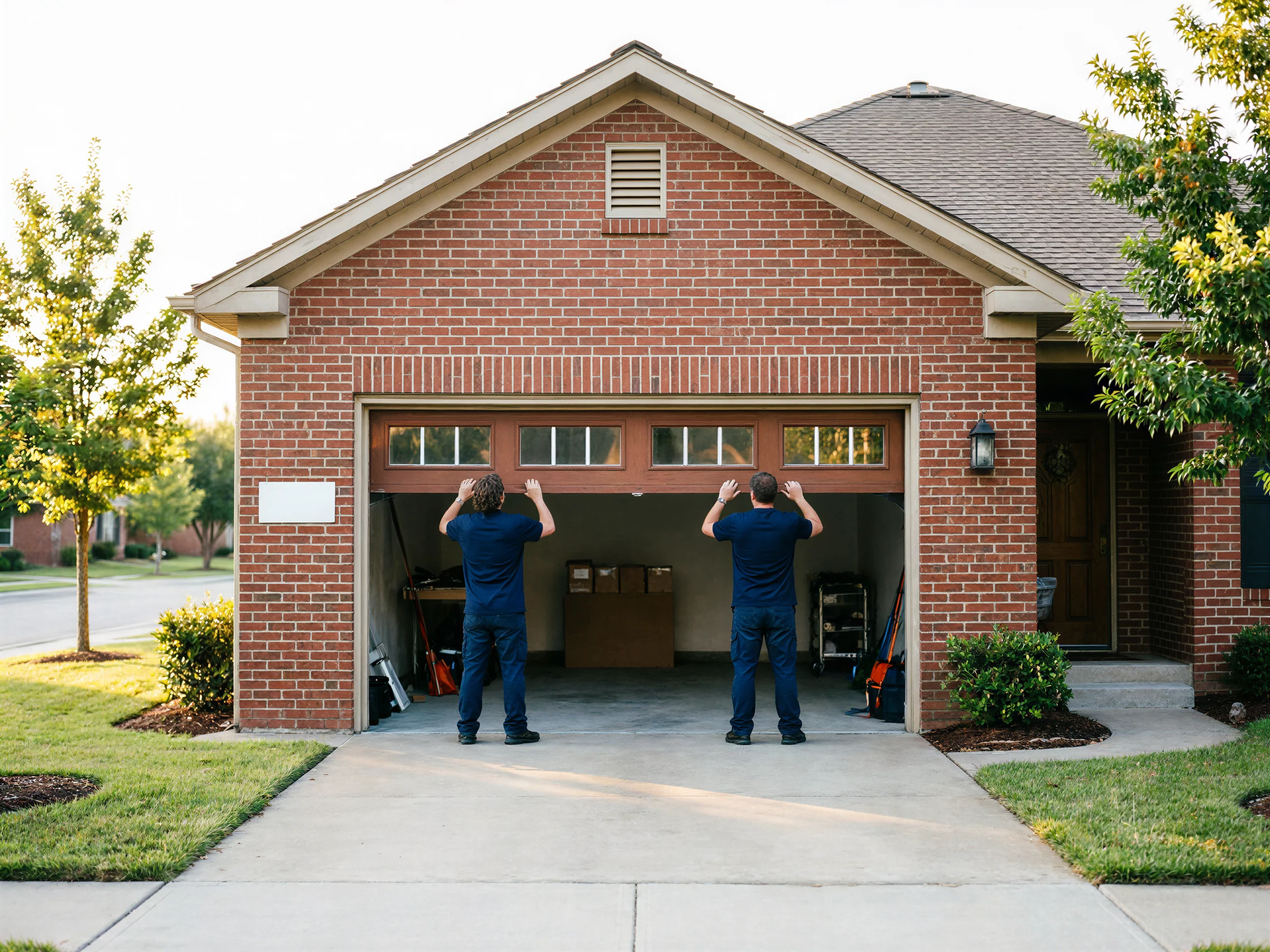
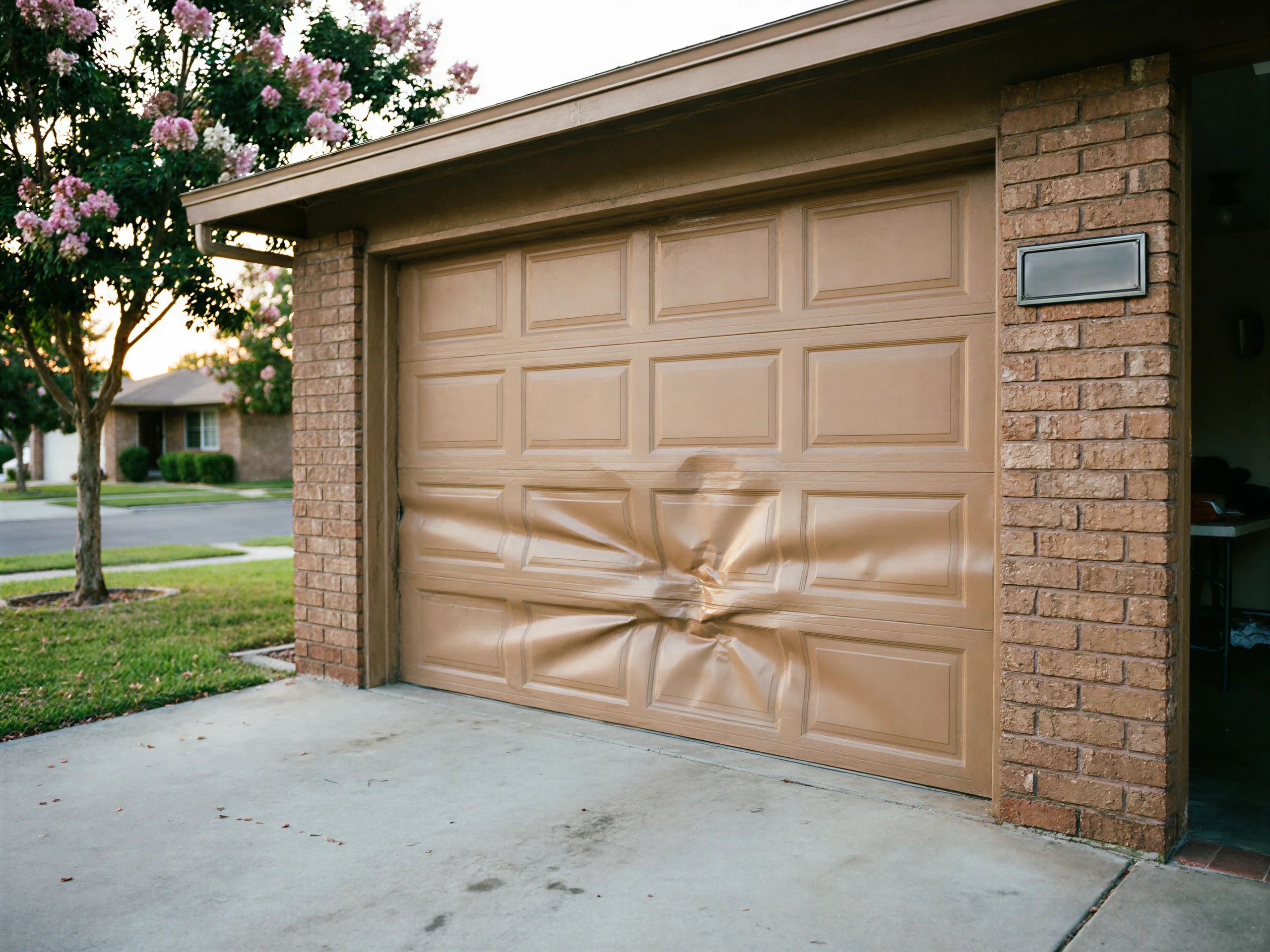
It racks sideways, binds in the track, and sometimes bends a panel or pulls a hinge loose on the way down. If you've got a door sitting crooked in the opening right now, that's almost always a cable, not a spring, even though people call it in as 'the spring broke.'
The DIY Question
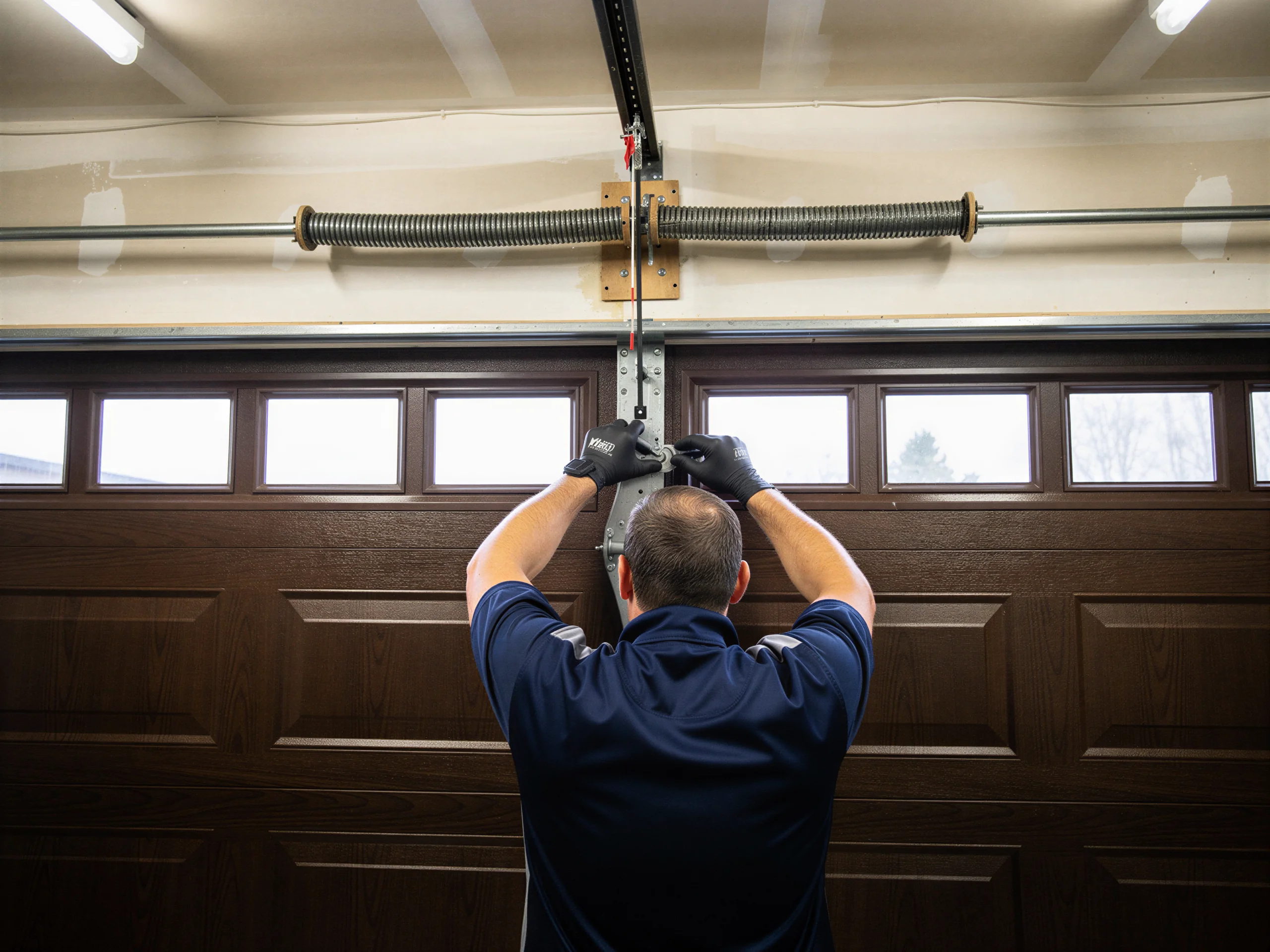
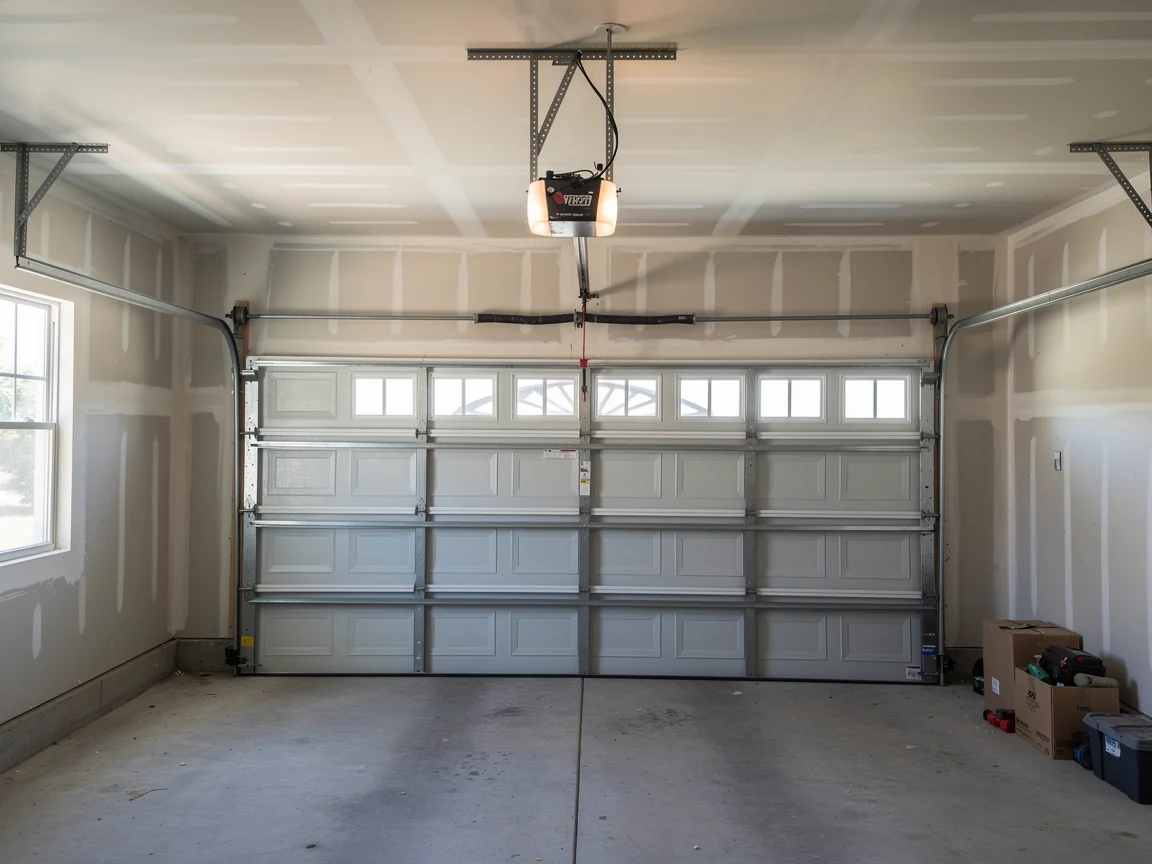
A broken garage door cable is a spring-tension job. The cable runs off a drum that's under load from a wound torsion spring, or in older setups, an extension spring stretched along the track. You cannot safely unwind, replace, or re-tension that without the right bars and a clear idea of how many turns are on the spring. People lose fingers on this repair, not on the easy stuff.
What you can safely check yourself: look at the cable where it wraps the bottom bracket on both sides of the door. If one side looks frayed, kinked, or has visibly fewer wraps on the drum than the other, that tells you which side failed and whether both cables are original - useful information to give over the phone, but not a reason to start pulling on anything.
What Causes It Around Here
Santa Fe sits about 7 miles from League City, inside the mild, occasional-freeze climate band that covers this part of the service area. That matters less for cable wear than age does - cables don't fail from heat the way openers and seals do. What drives it here is simply that a big share of the housing stock is old enough now that original hardware is wearing out on schedule, not from damage.
The second driver is households that never had the door serviced after the initial install. With roughly 4,685 households in Santa Fe, a lot of doors have gone 25-plus years on the factory cable with nobody checking the drum for rust or the bracket for wear. By the time a homeowner hears a snap and sees the door hanging crooked, the cable has usually been fraying for months.
Booking a Visit
We run this job out of League City, about 7 miles from Santa Fe, so a cable call here isn't a same-town dispatch - plan on that drive being part of the visit.
Stuck or crooked doors
When you call, tell us whether the door is stuck shut, stuck open, or hanging crooked on one side; that changes what we load on the truck before we leave.
Mid-grade original hardware
Median household income in the broader service area runs near $94,643, and Santa Fe itself sits a bit above that, which is part of why original hardware here tends to be mid-grade rather than builder-basic - worth mentioning only because it affects what cable gauge and drum size we bring.
What the Repair Takes
A straightforward cable replacement means releasing spring tension, pulling both cables (we do both sides even if only one failed - mismatched wear on the second cable is a near-certain repeat call otherwise), checking the drums for grooove wear or rust, and re-tensioning the spring to the door's actual weight. If the bottom bracket is rusted or the cable frayed because the drum itself is scored, those get replaced too, not patched.
One limitation worth saying plainly: if the door is older than its hardware - meaning the panels are original from a 1980s or early-90s build and already sagging or delaminating - a cable fix buys time but doesn't solve the underlying problem. At that point we'll tell you straight that a panel or full door replacement is the better money, rather than keep sending you new cables for a door that's done.
How Long It Takes
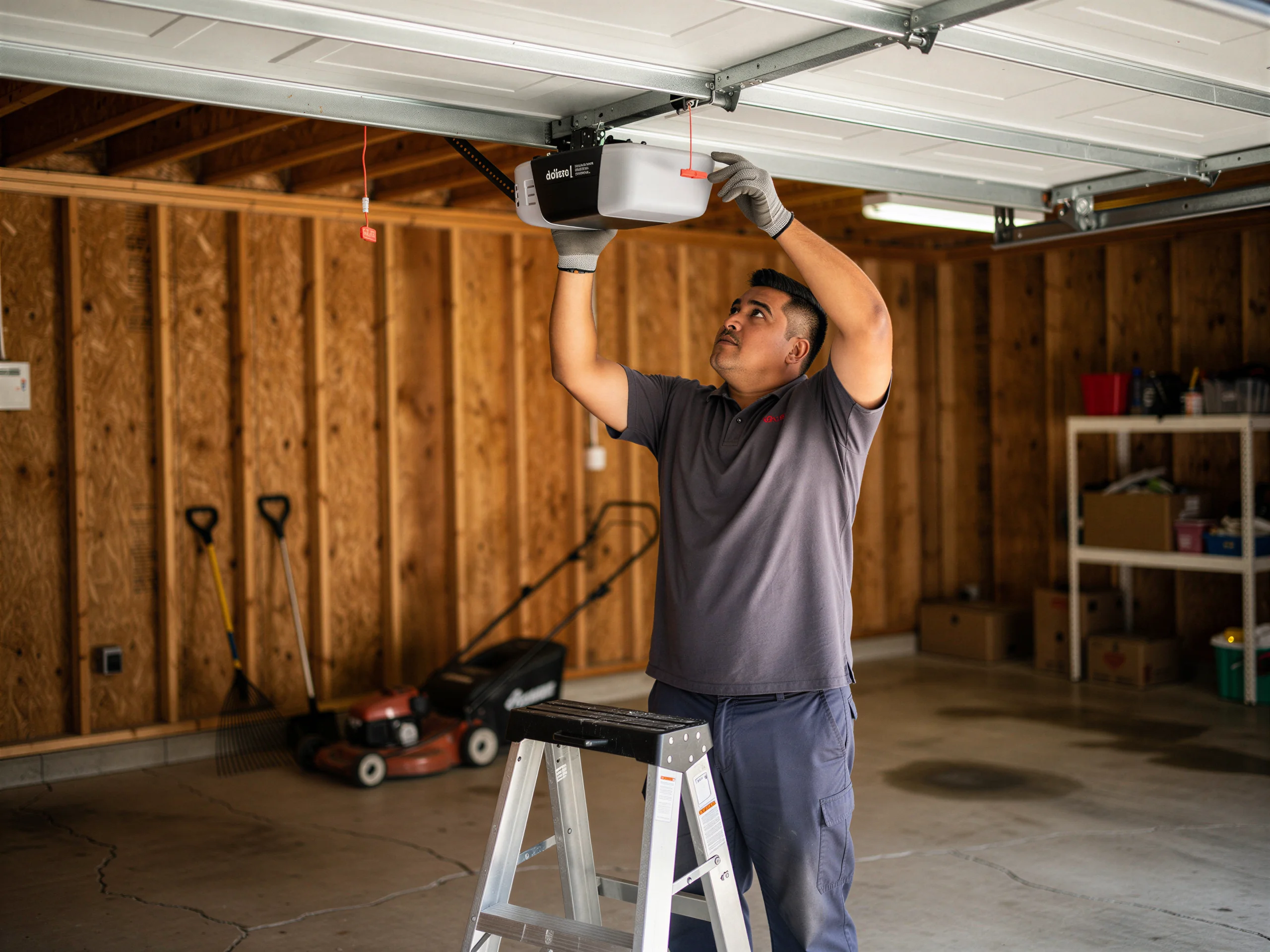
Most single-cable jobs on a standard torsion setup run under two hours once we're on site, including both cables and a drum check. Extension-spring systems, more common on the older end of Santa Fe's housing stock, sometimes take longer if the pulley or stationary cones also need attention - that hardware isn't made the way it used to be, so we carry common sizes on the truck but can't promise every odd one. If a part isn't on the truck, we'll tell you that on the spot rather than guess.
Talk to a local pro
Garage door service in League City?
Same-day service with honest, upfront quotes.